Birds of prey in El Torcal – golden eagle, Bonelli’s eagle, eagle owl, peregrine falcon and more
Anyone who tilts their head back for more than ten minutes in El Torcal de Antequera will almost always spot one: a shadow gliding over the karst massif without a single wingbeat. Usually it’s a griffon vulture, sometimes an eagle, occasionally a falcon in a stoop. Birds of prey in El Torcal are no rarity – the park has been a European Special Protection Area for Birds (SPA) since 2002, and nine species breed or hunt here regularly.
There are reasons for this. Sheer rock faces for nesting, deep gorges where updraughts rise from the valley, caves for eagle owls, wide sightlines for hunting – across its 17 square kilometres, El Torcal provides everything a bird of prey needs to live. For walkers, that means a pair of binoculars in the rucksack is almost always worth it.
Why El Torcal is a paradise for birds of prey
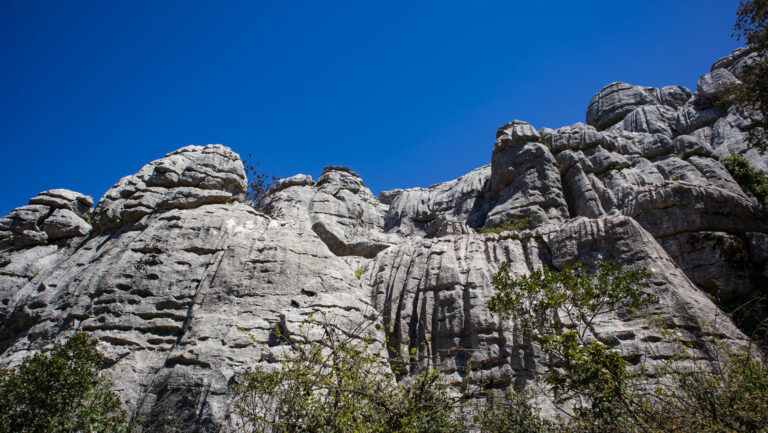
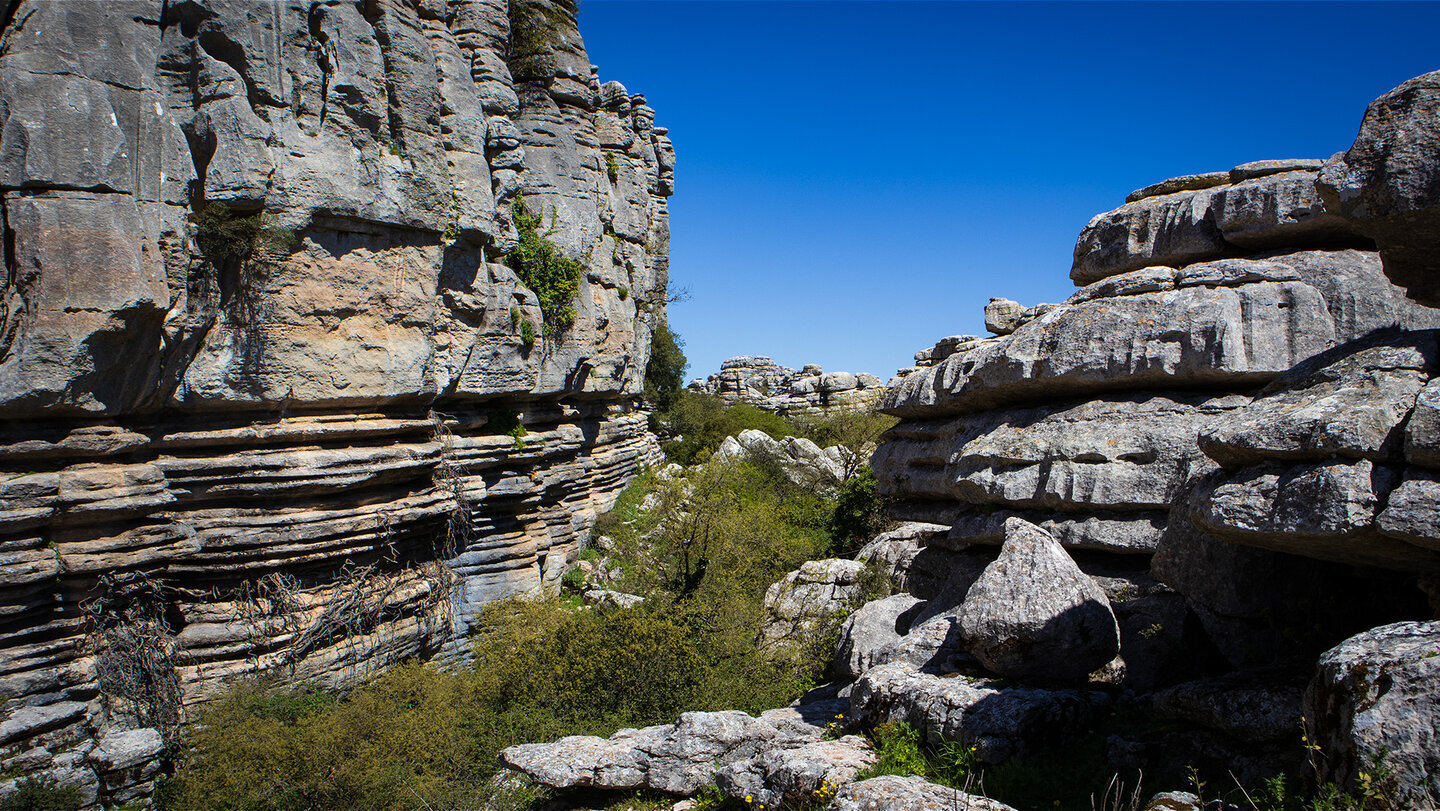
At first glance, the karst looks hostile to life – grey limestone, sparse vegetation, rock upon rock. For birds of prey, that is exactly ideal. Rock faces offer inaccessible nesting sites that neither foxes nor humans can reach. Caves and rock crevices serve as daytime hideouts for nocturnal species. And sunlight falling on the pale karst creates thermal updraughts, on which vultures and eagles can circle for hours without a single wingbeat.
Cliffs, caves, thermals – a habitat tailor-made
The prey on offer is abundant besides: wild rabbits, wall lizards, small birds, carrion from ibex or sheep. In total, 82 bird species live in the nature reserve, along with 22 mammal species and 11 reptiles. For birds of prey, that means a full menu in a very small area. Then there is the protected status: since 2002, El Torcal has been a “Zona Especial de Protección de Aves” (SPA/ZEPA), a bird protection area safeguarded under EU law. Climbing, drone flights and paragliding launches are banned in the park – to protect the breeding birds of prey, above all the golden eagle and peregrine falcon.
The eagles: golden eagle and Bonelli’s eagle
Two true eagle species breed in El Torcal – both rare, both reliant on the most inaccessible rock faces. Anyone who catches sight of one has had a good day.
Golden eagle – the king of the rock faces
With a wingspan of over two metres, the golden eagle is the largest eagle in Europe and Spain’s undisputed top predator among birds of prey. In El Torcal it nests on rock faces that humans could only reach with climbing rope – an insurance policy against nest robbers. Golden eagles form lifelong pairs and use the same eyrie for decades, adding fresh twigs to it every year.
Anyone wanting to see the golden eagle should look at the horizon, not straight up. It usually circles at great height above the plateau edges, gliding with barely visible adjustments of its wings. A characteristic feature is the clearly “fingered” wingtips – in gliding flight the outer primary feathers spread out like outstretched fingers.
Bonelli’s eagle – the stealthy hunter
Bonelli’s eagle (Aquila fasciata) is smaller and more compact than the golden eagle, about buzzard-sized with a wingspan of 1.50 metres, but an agile hunter. While golden eagles stoop from great heights, Bonelli’s eagle often hunts low and fast between the rocks – wild rabbits, partridges and medium-sized birds are its main prey.
Spain is home to the largest Bonelli’s eagle population in Europe. In El Torcal the species is rare but breeding – observable on rock ledges and over the gorges, and with a bit of luck in low flight between the karst columns. The underside of the adult Bonelli’s eagle is strikingly pale, almost white, with dark longitudinal streaks.
Vultures and owls
Two scavengers, the griffon vulture and the Egyptian vulture, breed in or pass through the park. Then there is the eagle owl, Europe’s largest owl, which takes the night shift.
Griffon vulture – the most conspicuous creature in the sky
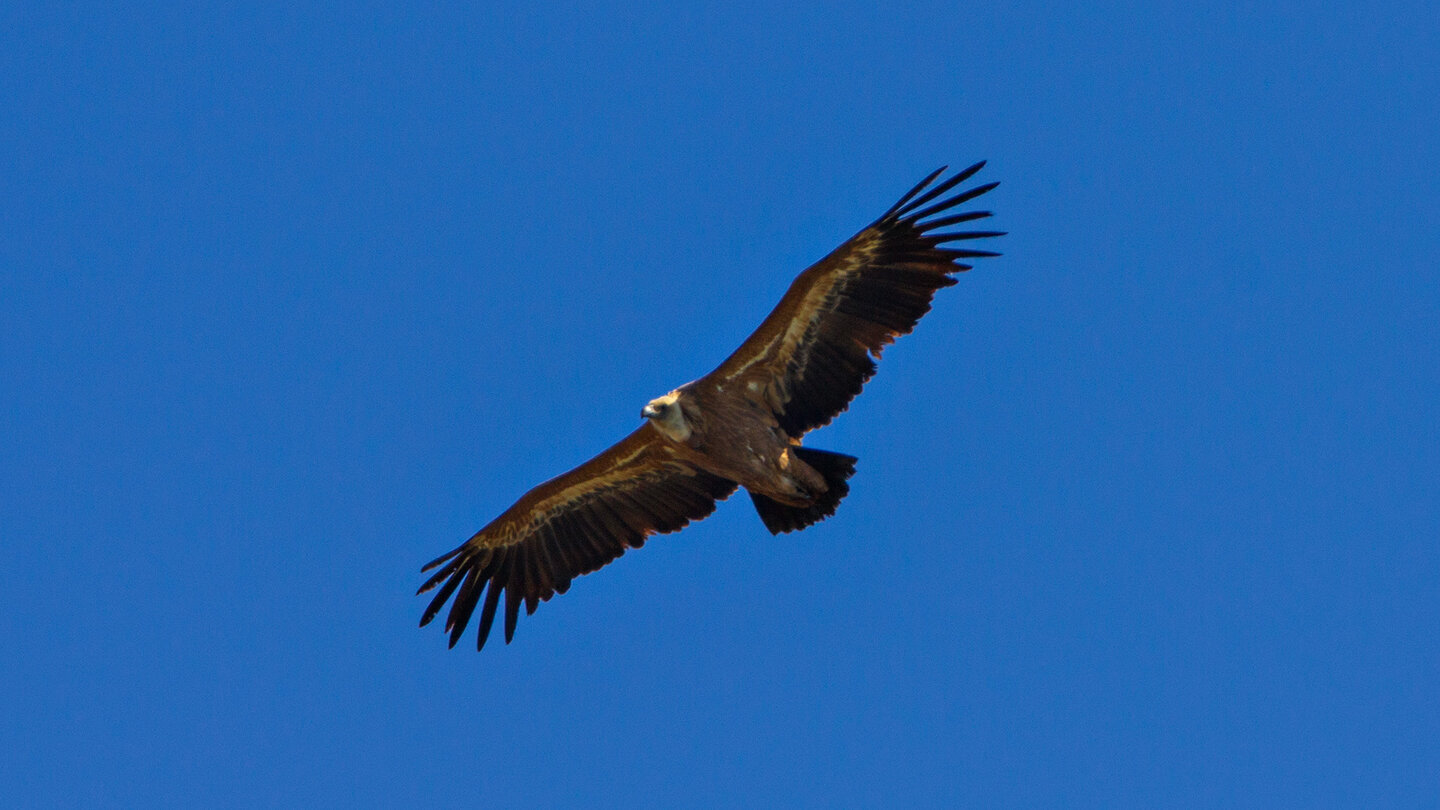
The griffon vulture (Gyps fulvus) is by far the most common bird of prey species in El Torcal and the emblem of the karst massif par excellence. With a wingspan of almost three metres and a strategy of pure scavenging, it soars over the park for hours, usually in loose groups of five to fifteen birds. Detailed observation tips and breeding population figures can be found in the in-depth feature on the griffon vulture in El Torcal.
Egyptian vulture – the seasonal migrant
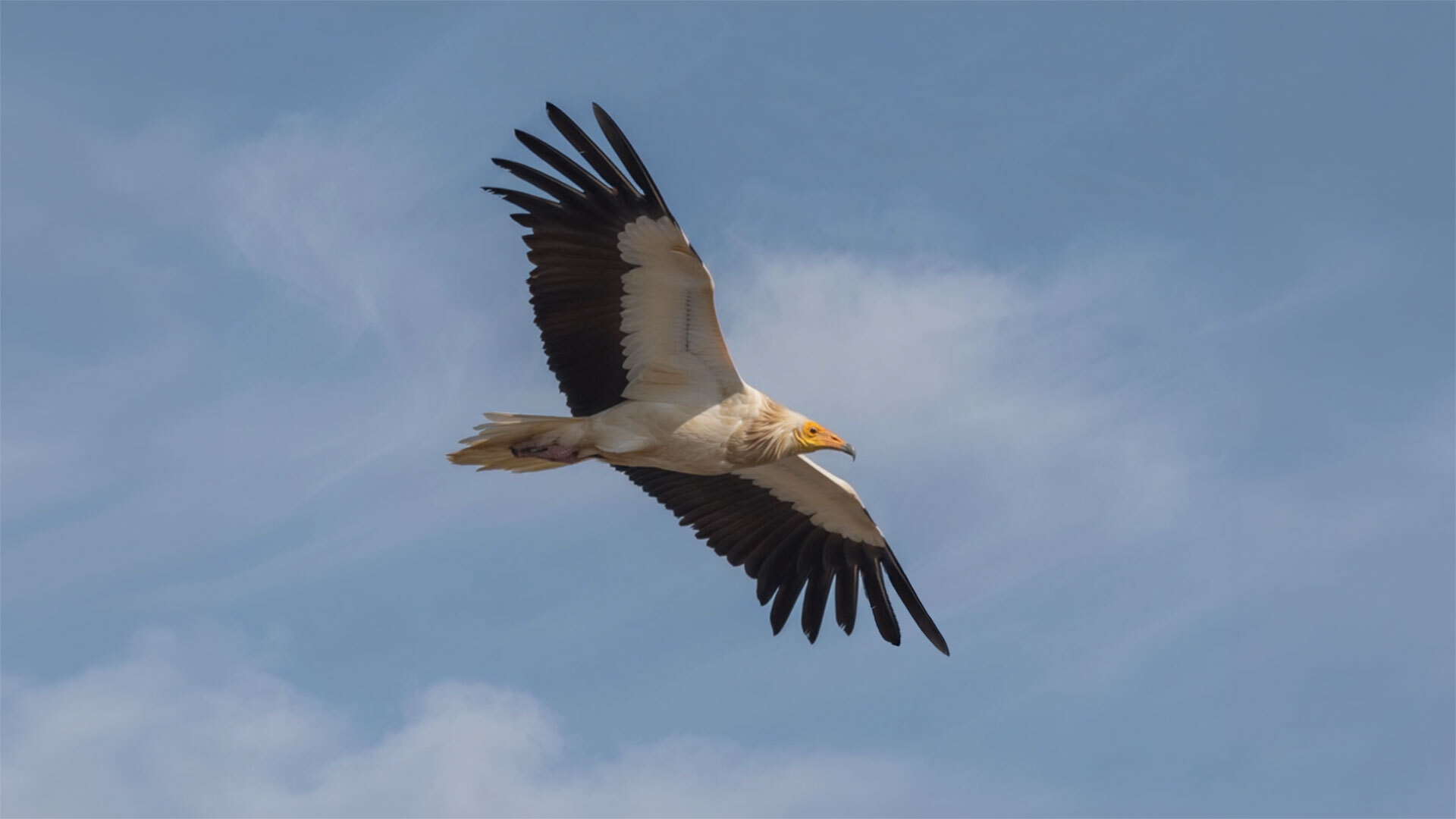
The Egyptian vulture (Neophron percnopterus) is markedly smaller than the griffon vulture – with a wingspan of 1.70 metres, it is more in the league of Bonelli’s eagle. It is Spain’s smallest vulture and the only migratory species among the Iberian vultures: in autumn it flies across the Strait of Gibraltar to Africa and returns in spring. In El Torcal it therefore only appears seasonally – usually between March and September.
Adult Egyptian vultures are unmistakable: white plumage with black wingtips, a yellow face, and a beak as slender as that of a small eagle. In Spain the species is considered endangered, because power lines, poisoned bait and the decline of traditional sheep farming are eroding its food supply.
Eagle owl – the nocturnal nester
The eagle owl (Bubo bubo) is Europe’s largest owl, with a wingspan of up to 1.80 metres. In El Torcal it nests in rock crevices and caves – usually hidden so deeply that even local birdwatchers often locate the nests only by call. The typical eagle owl call, a deep “uh-huh”, carries several kilometres through the still karst air.
Anyone wanting to see one during the day needs luck: eagle owls usually doze on exposed rock ledges, camouflaged by grey-brown plumage that matches the colour of the limestone exactly. They only become active after sunset – so their main viewing time coincides with the only tour the visitor centre offers after dark: the El Torcal by Full Moon tour. The eagle owl’s prey includes wild rabbits, hedgehogs and – remarkably – smaller owls and birds of prey too.
Falcons and small hunters
Three further species round off the park’s list of birds of prey: the peregrine falcon, the common kestrel and the little owl. One is legendarily rare; the others you meet on almost every walk.
Peregrine falcon – the fastest animal in the world, in decline
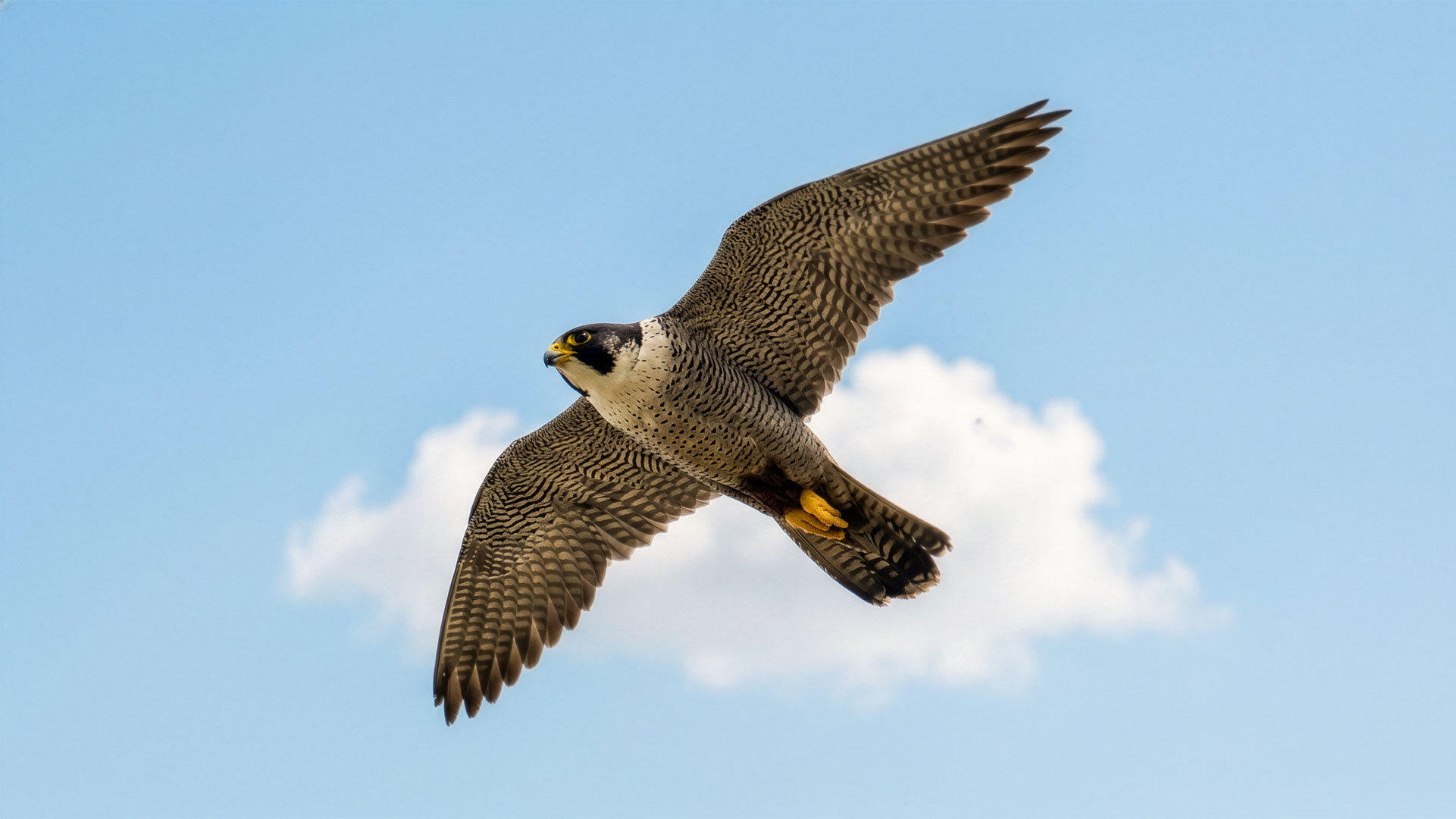
The peregrine falcon (Falco peregrinus) is considered the fastest animal in the world: in a hunting stoop it reaches speeds of over 320 km/h. In El Torcal it nests on cliffs, often in old rock niches, but is considered rare and has declined due to human pressure – a legacy from the era when DDT thinned its eggshells. Today populations in Spain are slowly recovering, but El Torcal’s population remains small.
Anyone wanting to see it should watch out for a slate-grey bird with pointed wings and a striking black cheek stripe. In normal flight the peregrine falcon looks compact and fast; in a stoop it tucks its wings against its body – a sight you won’t forget.
Little owl and common kestrel – the ever-present ones
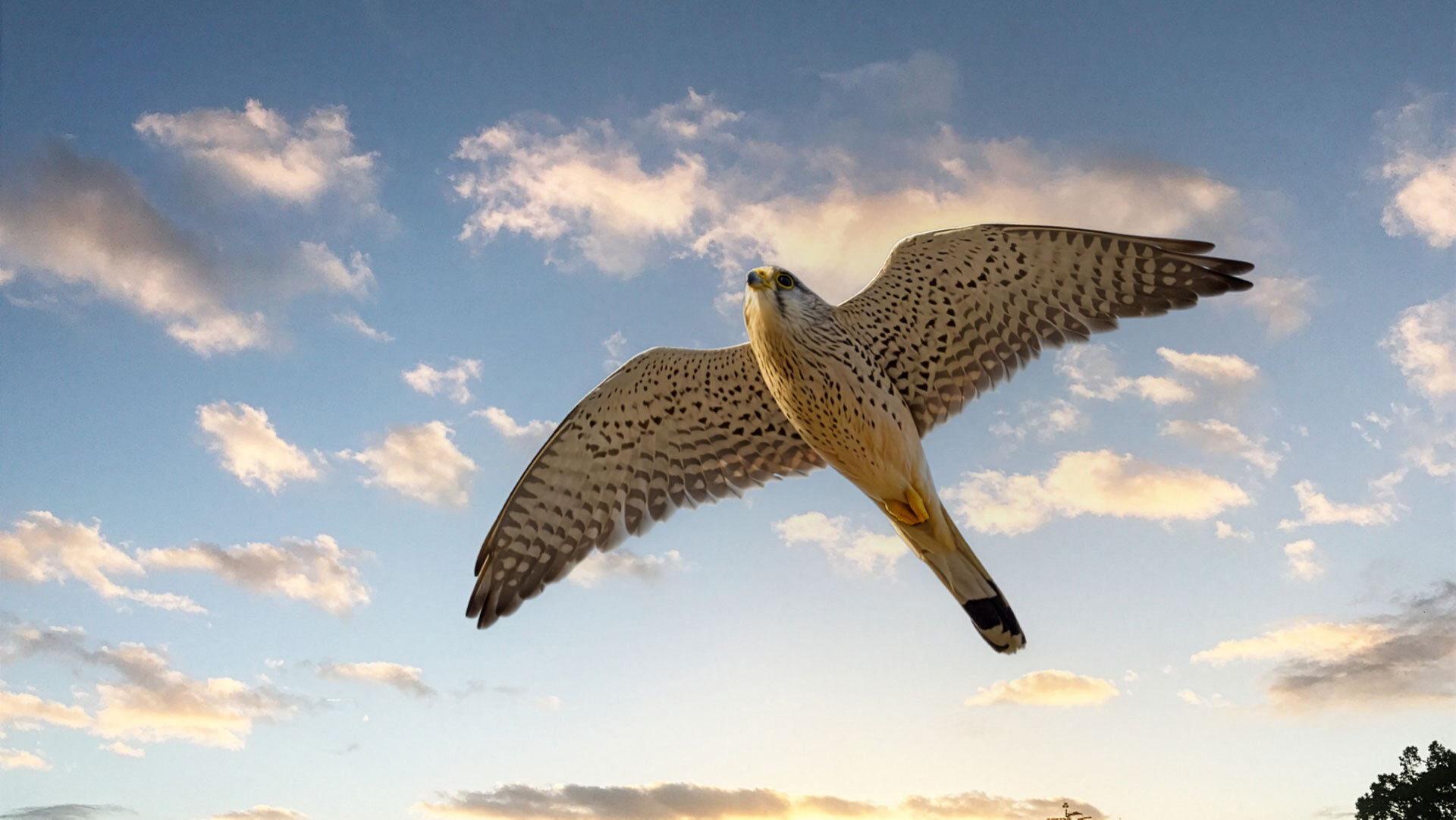
While eagles, vultures and peregrine falcons are the rare highlights, the common kestrel and little owl shape everyday life in the nature reserve. The common kestrel (Falco tinnunculus) is Europe’s most common falcon and can be observed in El Torcal all year round. Its hallmark is the “hovering flight”, in which it appears to hang motionless in the air for seconds at a time, working its wings against the wind to fix its gaze on a mouse or lizard on the ground.
The little owl (Athene noctua) is a small, day-active owl – barely bigger than a fist, with strikingly yellow eyes and jerky flight. In El Torcal it likes to perch on rock ledges or isolated piles of stones, from where it hunts insects, mice and small lizards. Anyone walking at dusk often hears it before they see it: a bright, drawn-out call that is clearly distinct from the plaintive whistle of other owls.
Observing without disturbing – the rules
El Torcal is a protected area, and observing birds of prey has clear limits. Anyone who wants to watch the golden eagle fly must not attempt to climb to its eyrie – that is forbidden and almost always leads to the eagle abandoning its brood. Anyone bringing drones should leave them in the car. And anyone working with a telephoto lens should keep their distance: a fleeing breeding bird is not a good photo, it is a ruined brood.
| Tips for birdwatching in El Torcal | |
|---|---|
| Time of day | Early morning and late afternoon are ideal – thermals only build up once the karst has warmed, and vultures and eagles then circle for hours. At midday many species rest in the shade of the rock faces. |
| Time of year | March to June for breeding eagles and vultures · September to October for migrating Egyptian vultures · all year round for common kestrel, little owl and griffon vulture. |
| Equipment | Binoculars 8×42 or 10×42 are entirely sufficient – a compact pair of binoculars is more practical in the karst than a spotting scope. A bird identification app on your phone helps with placing calls. |
| Locations | Mirador Las Ventanillas at the end of the Ruta Verde · the plateau edge of the Grand Circuit · viewpoints at the visitor centre – all offering wide views of the sky. |
| Behaviour | Stay on waymarked paths · no drones · no climbing · do not “stalk up” to rock faces · withdraw immediately if you observe breeding behaviour (screeching, dive-bombing towards the observer). |
Conclusion – birds of prey in El Torcal
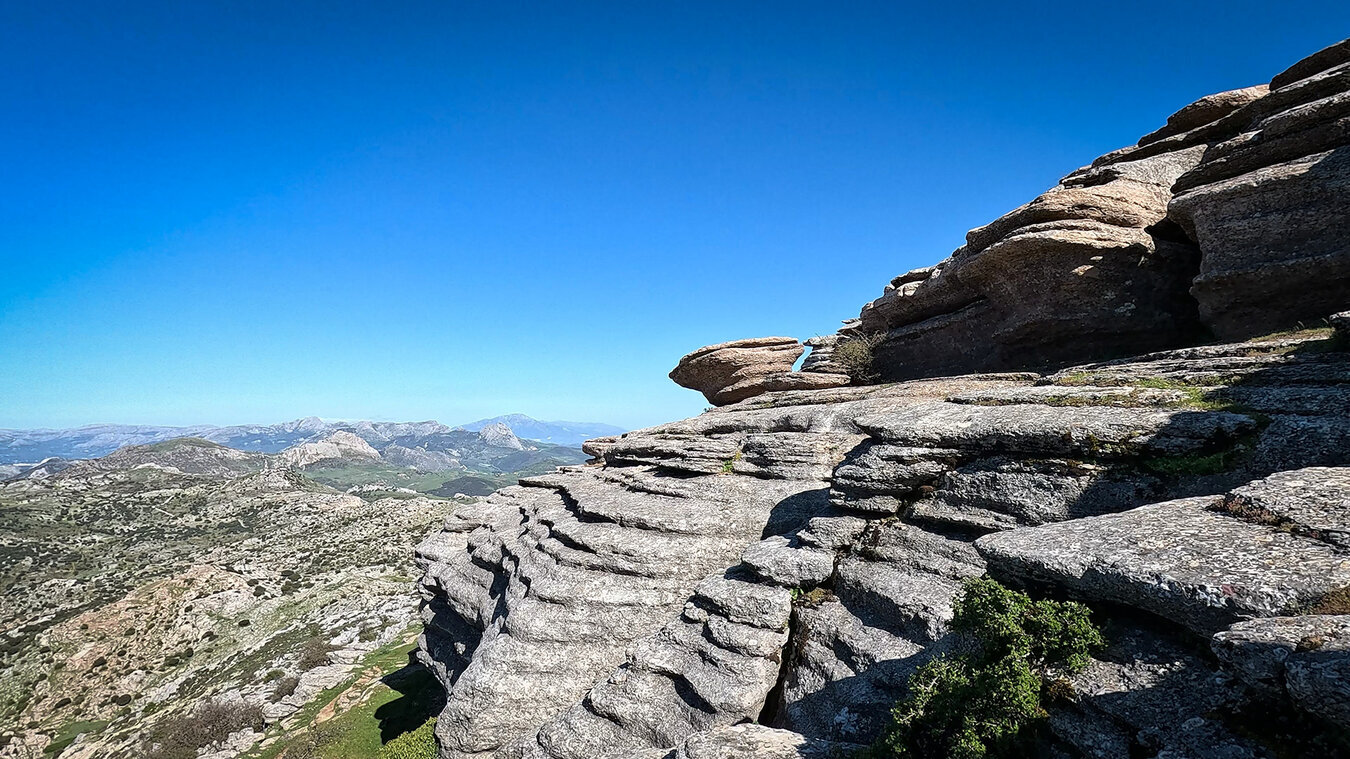
Nine species of birds of prey, a bird protection area, a karst landscape with perfect nesting sites: El Torcal is one of the few places in Andalusia where you can see the golden eagle, Bonelli’s eagle and peregrine falcon in a single day’s walk. Patience, a pair of binoculars and respect for the protected area’s rules are the prerequisites. Anyone wanting to delve deeper will find the most important species described in detail in the griffon vulture portrait, the matching mammal counterpart in the Iberian ibex feature, and the ten golden rules of walking, which also serve bird protection, under Safety in the karst labyrinth. Overview of the nature reserve: karst landscape of El Torcal.
Frequently asked questions
Which bird of prey is most commonly seen in El Torcal?
When is the best time for birdwatching?
Why are drone flights banned in El Torcal?
Do golden eagles really breed in El Torcal?
Where is the best place to see birds of prey in El Torcal?
This article is based on the on-the-ground knowledge of the Gequo editorial team – publisher of several Reisezeit hiking guides and operator of Sunhikes.com. As of: May 2026