Real Colegiata Santa María la Mayor: Antequera’s First Renaissance Building
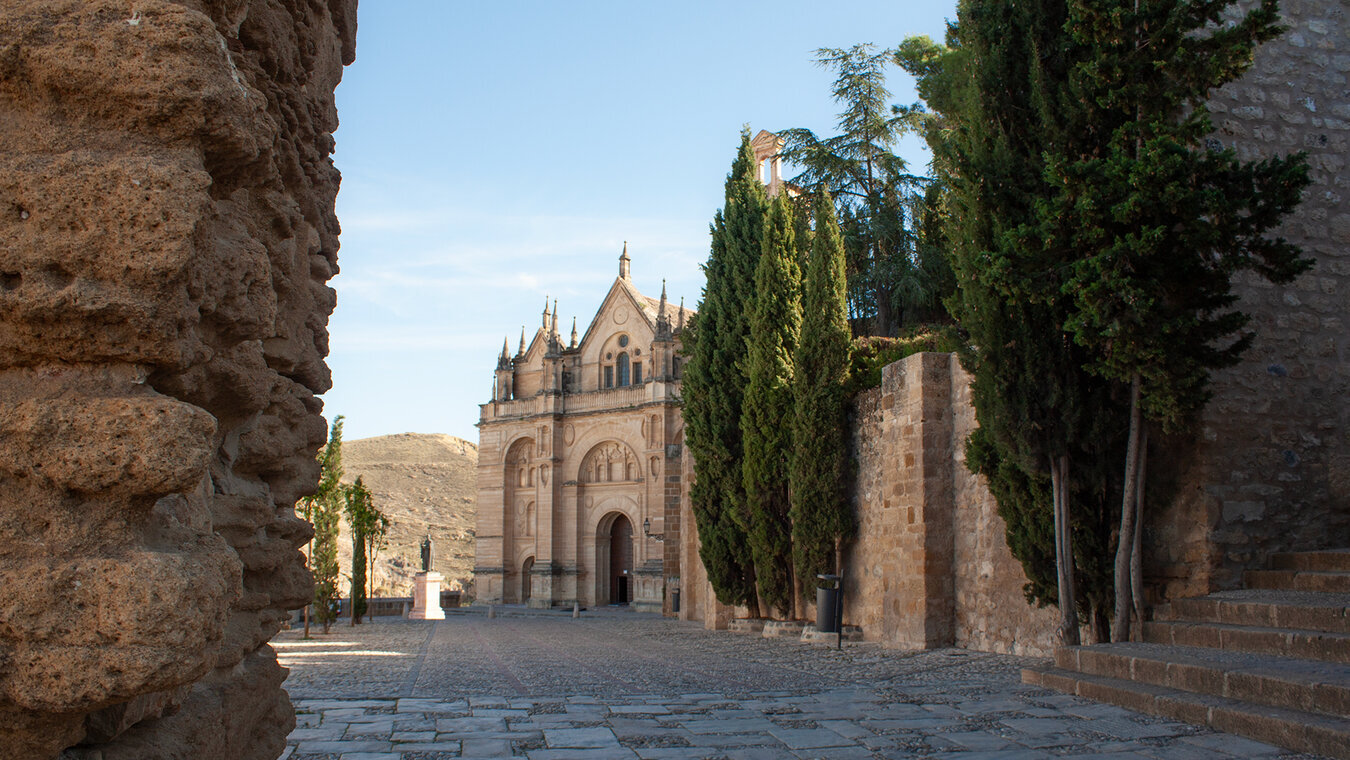
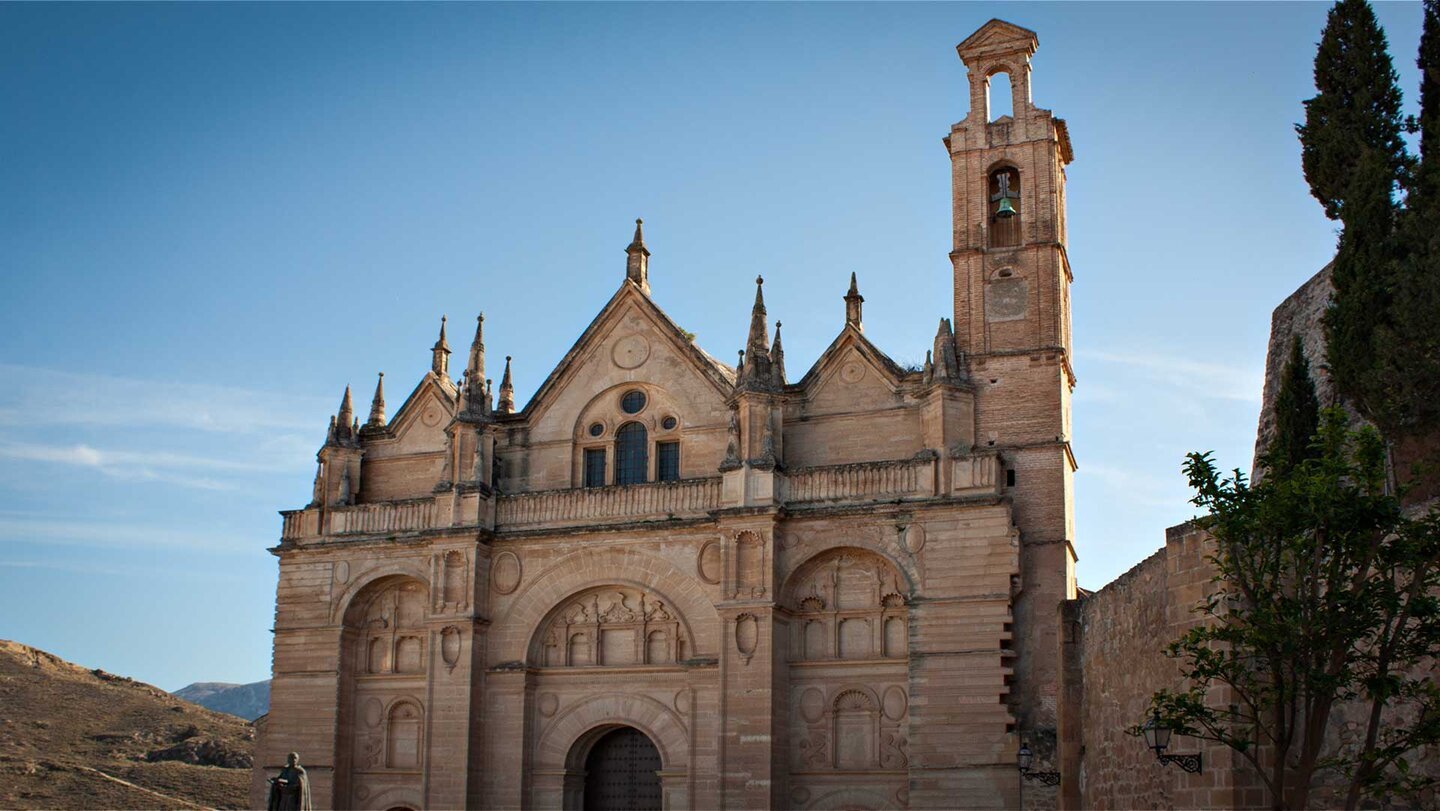
Anyone climbing the steps to the Alcazaba inevitably stands before it: the Real Colegiata Santa María la Mayor leans, quite literally, against the walls of the Moorish fortress, as if to show that here one era follows another. Built after the Reconquista of 1410, its west façade is now considered one of the earliest and most significant Renaissance buildings in the whole of Andalusia – a pioneering work in a region where Moorish forms were to remain dominant for decades to come.
Antequera had ambitious builders in the second half of the 15th century. After its reconquest, the town was a strategic outpost and a prestige address of the Castilian crown. Churches, monasteries and fortifications sprang up in rapid succession – and the Colegiata Santa María was meant to give all of this a face that would be noticed beyond the region. It succeeded.
The church holds the title of a Colegiata – a collegiate church, ranking between a parish church and a cathedral, served by a chapter of canons. The addition “Real” (royal) points to its connection with the crown: after its reconquest, Antequera was a prestige town of the Castilian kings, and the Colegiata was meant to underline that rank architecturally. It was not simply a parish church – it was a statement of state.
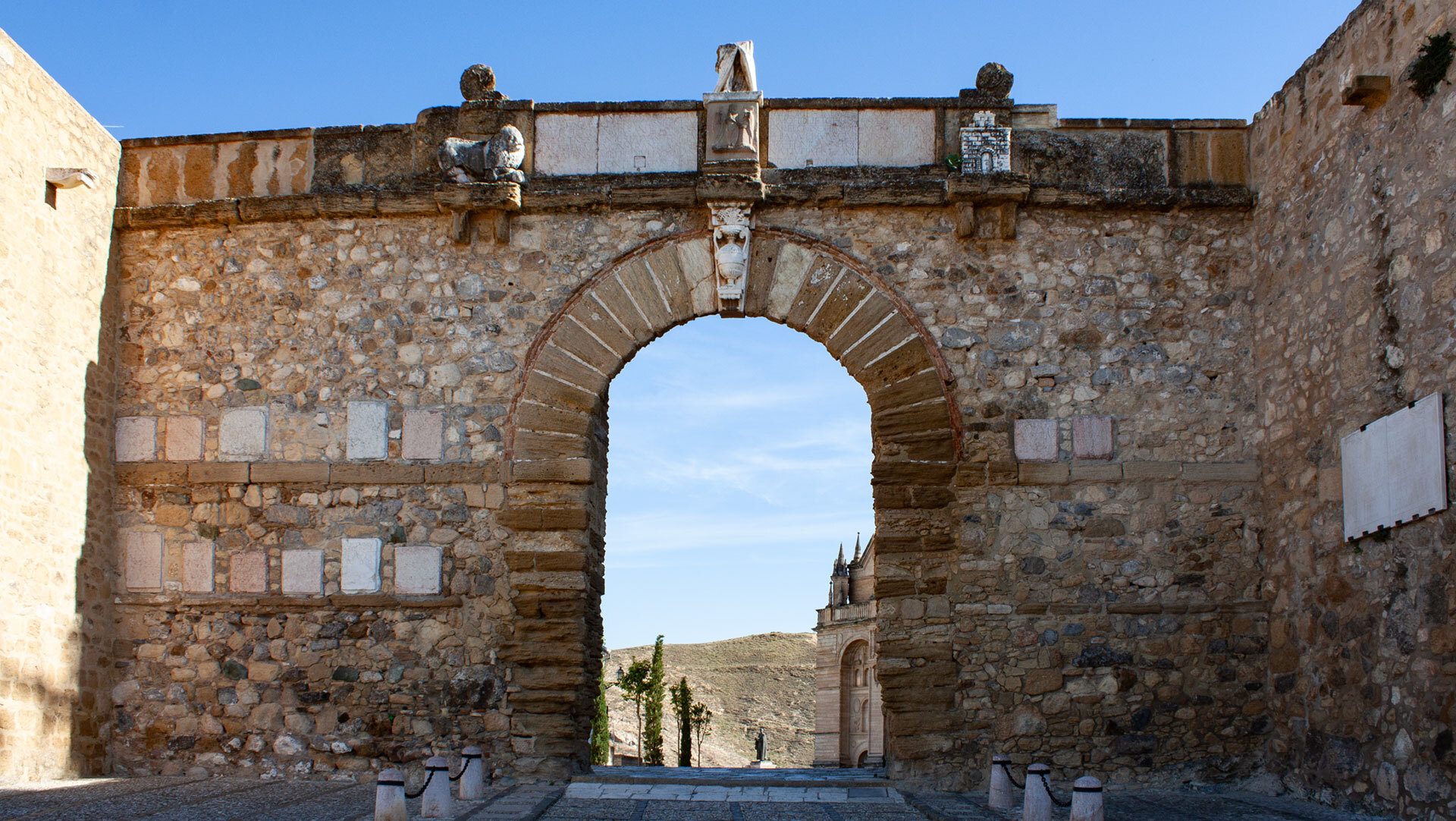
Today the Real Colegiata Santa María la Mayor is part of the historic ensemble at the foot of the Alcazaba, together with the Arco de los Gigantes – colloquially also called the “Sky Gate” or “Heaven’s Arch” – (1585) and the remains of the Roman baths right next door. Anyone who wants to understand Antequera understands it best from here. The four buildings, packed into a few hundred metres, tell the town’s entire history – from Roman times to the present day.
History: From a Moorish House of Prayer to a Renaissance Pioneer
Construction, significance and royal connection
After the Reconquista of 1410, the Christian rebuilding of Antequera began. On the site next to the Alcazaba, where a mosque is said to have stood previously, the new collegiate church arose – initially in a transitional form between Gothic and the new Renaissance forms that were streaming into Spain from Italy at the time. The construction was an enormous undertaking for a town that had only just been reconquered and had to reinvent itself.
The west façade of the Real Colegiata is the architectural centrepiece. It is regarded as one of the earliest examples of Renaissance architecture in the whole of Andalusia – predating many of the splendid Renaissance buildings in Seville and Granada. The clear horizontal articulation, the classically inspired pilasters, the semicircular arches: all elements that were new and bold in this region at the start of the 16th century. This façade is no mere embellishment – it is a manifesto.
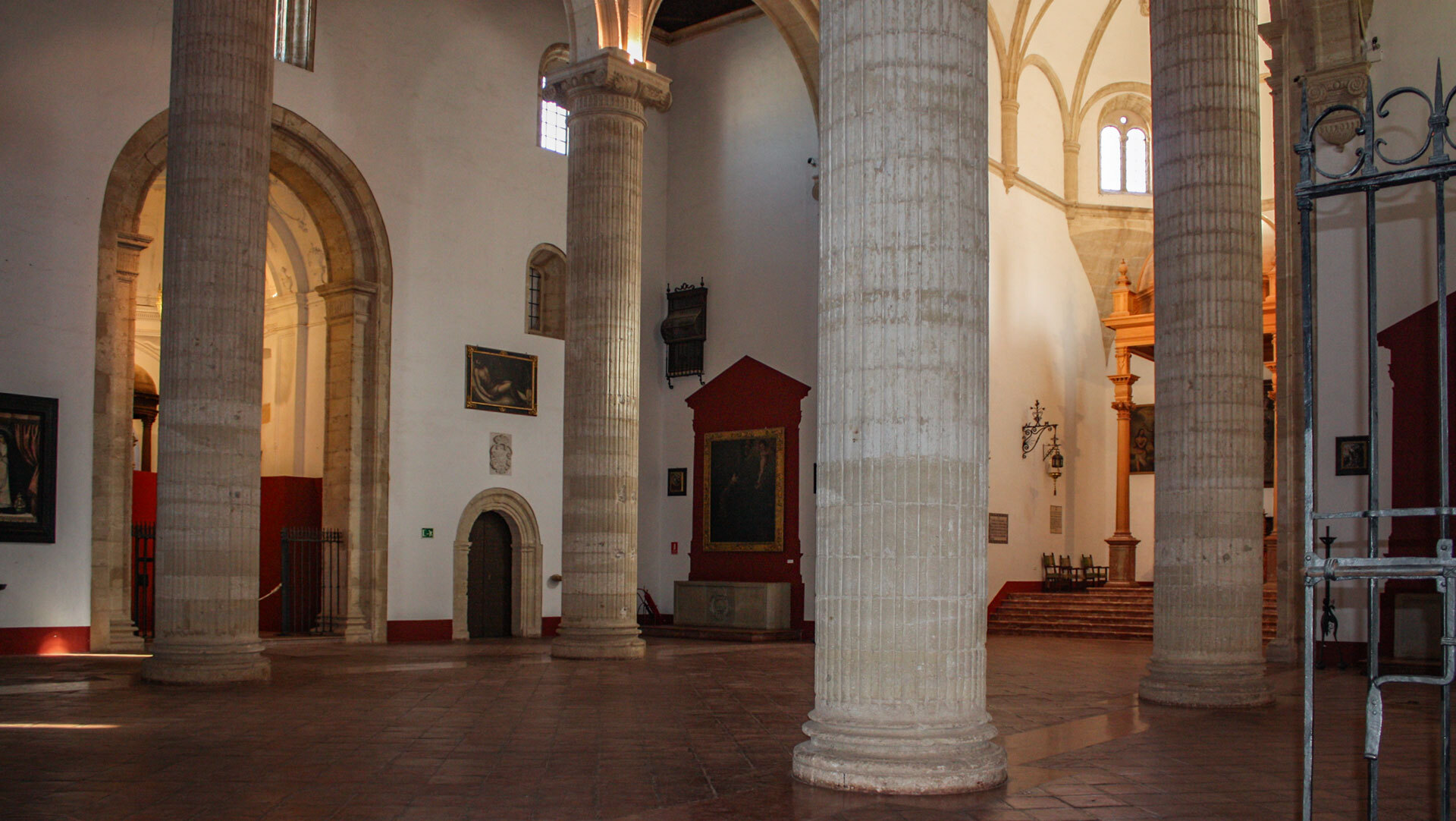
Inside, the church displays a mixture of Gothic structures and Renaissance ornamentation typical of this transitional period. Over the following centuries the church was repeatedly extended and restored, but it retained its character as one of the most important church buildings in the Province of Málaga.
The Termas Romanas de Santa María
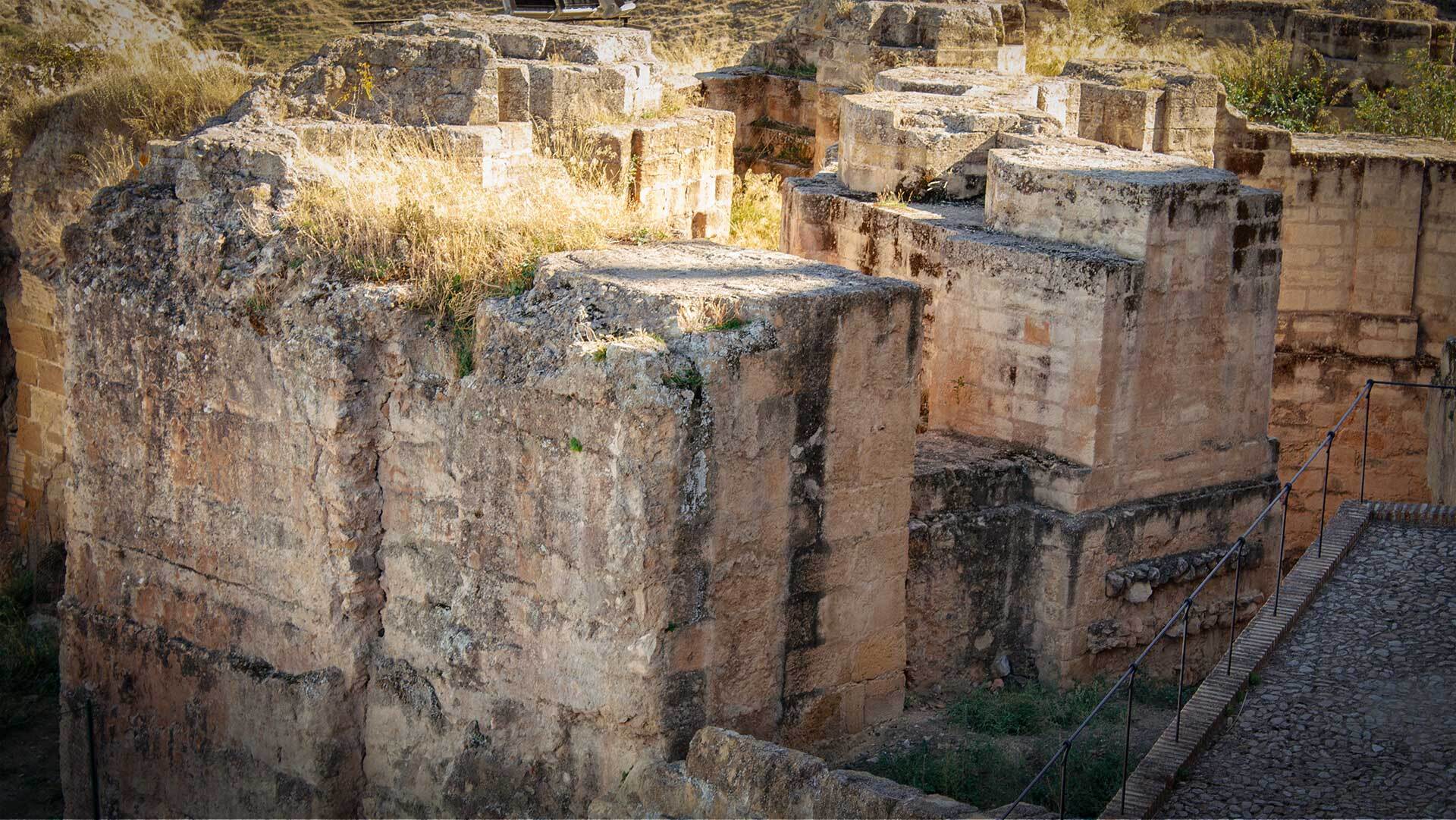
Immediately next to the Colegiata lie the Termas Romanas de Santa María – the remains of a Roman bath complex from antiquity. In Roman times Antequera was called “Antikaria” and served as a regional administrative seat. The baths show just how densely the historical layers are stacked in this part of town: Romans, Moors, the Christian Reconquista, the Renaissance – all within a few hundred metres.
The Historic Ensemble: Colegiata, Alcazaba and Arco
Three buildings, three eras, one place
The Real Colegiata cannot be understood in isolation – it is part of an ensemble that embodies three distinct eras of the town’s history within a small space. The Alcazaba behind it: 14th-century Moorish military architecture, a claim to power made of stone. The Colegiata in front of it: a Christian new beginning after 1410, with the Renaissance as the architectural language of departure. The Arco de los Gigantes – popularly also called the “Sky Gate” – just a few steps away: built in 1585 in honour of Philip II and adorned with Roman spolia, as if the town wanted to say: we stand on the shoulders of everyone who was here before us.
Right next to the Colegiata are the Termas Romanas – another piece of this town’s history. Anyone who walks round these four sites in one morning has understood Antequera in depth: from Roman times, through Moorish rule, to the Castilian Renaissance. And anyone who then looks back once more at the west façade of the Colegiata, glowing out of the limestone in the afternoon light, understands why this building holds a special place in the history of Andalusian architecture.
Practical tips – Real Colegiata Santa María la Mayor
Location: Directly next to the Alcazaba, above Antequera town centre. Reachable on foot from the Plaza de San Sebastián in approx. 15 minutes.
Eintritt & Öffnungszeiten: ⚠️ turismo.antequera.es
Combination: Alcazaba, Colegiata, Sky Gate and Termas Romanas – a historic ensemble that can comfortably be explored on foot in one morning.
Best time: In the morning (soft light on the west façade) or in the late afternoon (backlight over the Alcazaba).
Photography: The west façade looks best in the morning light (east side) or when the evening sun falls on the limestone. From a distance – for instance from the Plaza de San Sebastián – the façade can be photographed in its full width. Close up, the pilasters and arches are particularly striking.
Note: The church is primarily a cultural monument, and today is also used for cultural events.
Conclusion: The Colegiata is more than a church – it is Antequera’s moment of departure, cast in stone
The Real Colegiata Santa María la Mayor is the place where you can see a town beginning anew. After centuries of Moorish rule, with the Renaissance as its guiding design principle, leaning against the walls of the Alcazaba like a promise: this, now, is our language. The west façade is one of the finest examples of how architecture makes history.
More sights nearby: Alcazaba de Antequera · All sights in the Magazinee.
Frequently Asked Questions about the Real Colegiata Santa María la Mayor
What is the Real Colegiata Santa María la Mayor?
Why is the west façade of the Colegiata so significant?
What stands next to the Colegiata?
When was the Real Colegiata built?
How do you get to the Real Colegiata?
This article is based on the on-the-ground knowledge of the Gequo editorial team – publishers of several Reisezeit hiking guides and operators of Sunhikes.com. As of: May 2026