Antequera on an Andalusia road trip: more than just a stopover
Anyone planning a round trip through Andalusia thinks first of Seville, Granada, Córdoba. Perhaps Ronda too. And then, at some point, you spot this point in the middle of the map: Antequera. A town that almost every route passes through, without most travellers realising what they’re actually missing.
Antequera lies at the geographical centre of Andalusia. It’s 50 kilometres from Málaga, 100 from Granada, and 175 from Seville. Almost every route between the major cities passes through or past Antequera – it’s the natural hub of the south. And that’s exactly what makes it so easy simply to drive on through. And such a shame when you do.
What Antequera has to offer could be summed up in a single sentence: 5,000 years of history, a UNESCO World Heritage Site of dolmens and karst landscape, a Moorish fortress, an early Renaissance landmark and Europe’s most spectacular karst massif – all within a few kilometres. Anyone who allows a day here understands why some travellers end up staying.
Antequera’s old town is intact and full of life. No reconstructed tourist strips, but real bars, real markets, real residents. Porra antequerana – a cold tomato soup, thicker than gazpacho – is still served here just as it has always been: in a glass, with a piece of ham on top, out in the open air.
Why Antequera should be part of any road trip
Andalusia’s underrated hub
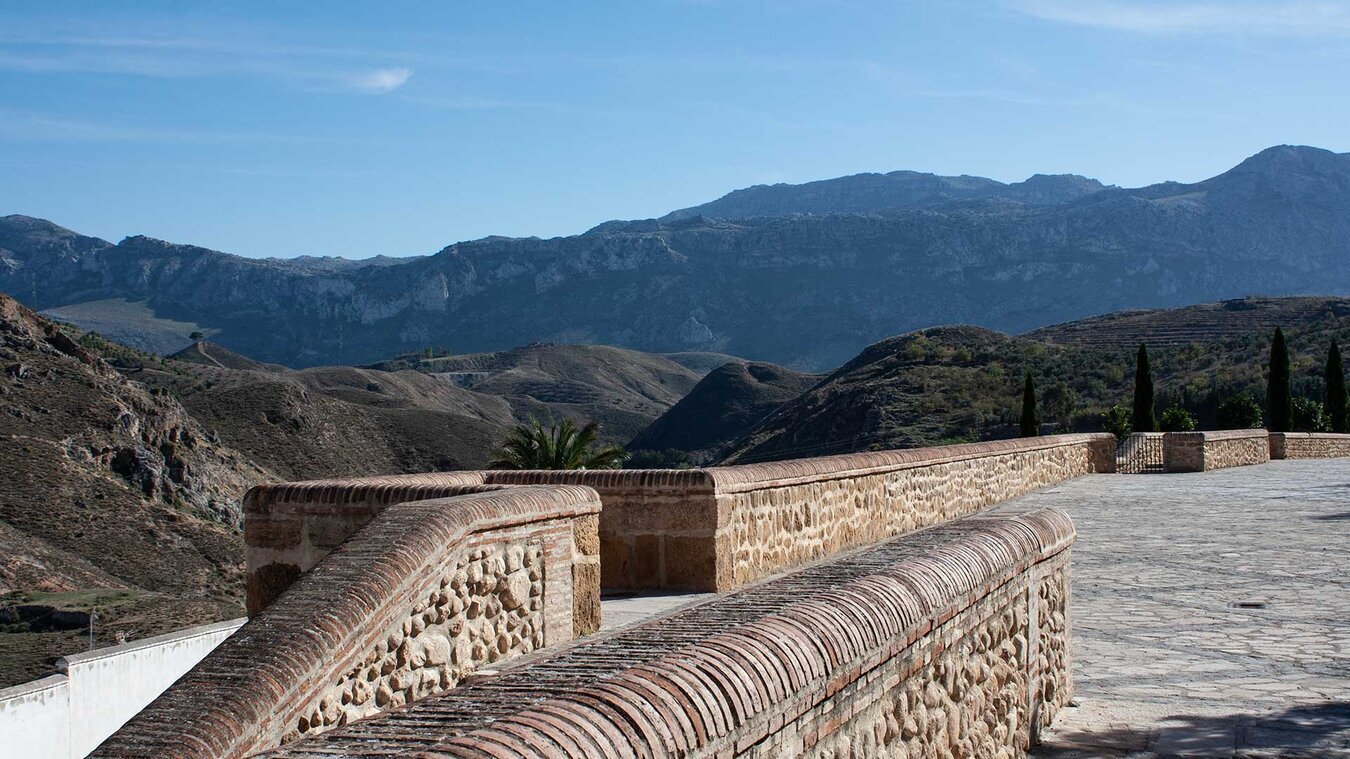
Most travellers to Andalusia know the big three: Seville, Granada, Córdoba. The classic triangle of Moorish high culture, Gothic cathedrals and Baroque palaces. Antequera isn’t part of it – and that’s exactly what makes it so interesting. It’s the town the tourism industry hasn’t fully discovered yet. The lanes of the old town feel like your own. The Alcazaba has no queues. You enter the dolmens in small company.
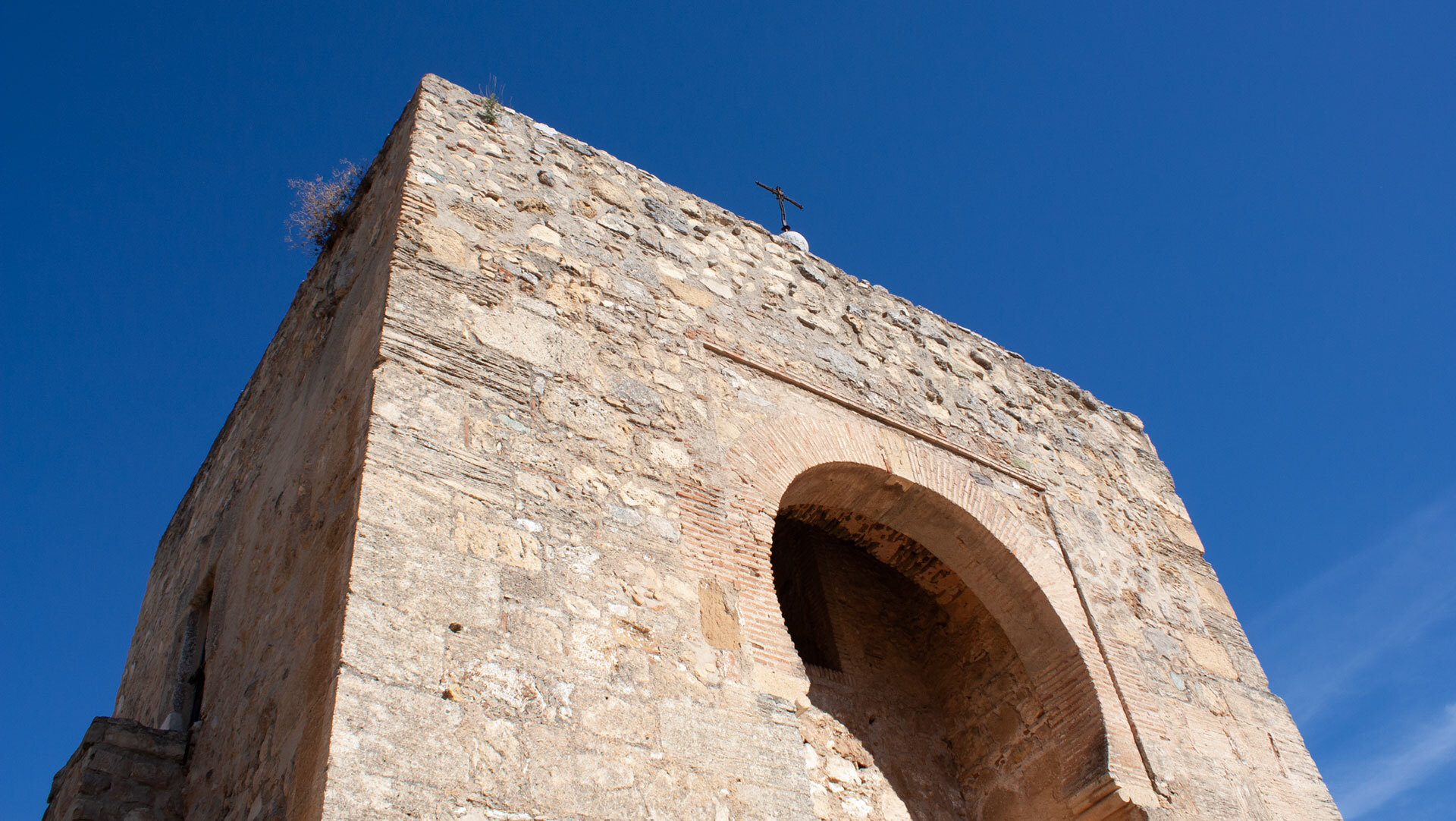
Yet Antequera in Andalusia has a depth that some better-known towns can’t match: Neolithic burial chambers larger than anything at Stonehenge. A karst landscape displaying 150 million years of geological history. A Moorish fortress system from the 14th century. A triumphal arch with Roman fragments built into its walls. All of it within a one-hour walk.
Antequera has around 41,000 residents – it’s not a small town, but nor is it an overwhelmed tourist destination. The infrastructure is solid: good restaurants, clear waymarking, well-kept sights. What’s missing is the crowds. You can take in the dolmens in peace. You can stand in the Alcazaba without selfie sticks all around you. That has become rarer in Andalusia.
Antequera and the UNESCO World Heritage dolmen sites
Sitio de los Dólmenes de Antequera – why it belongs on the itinerary
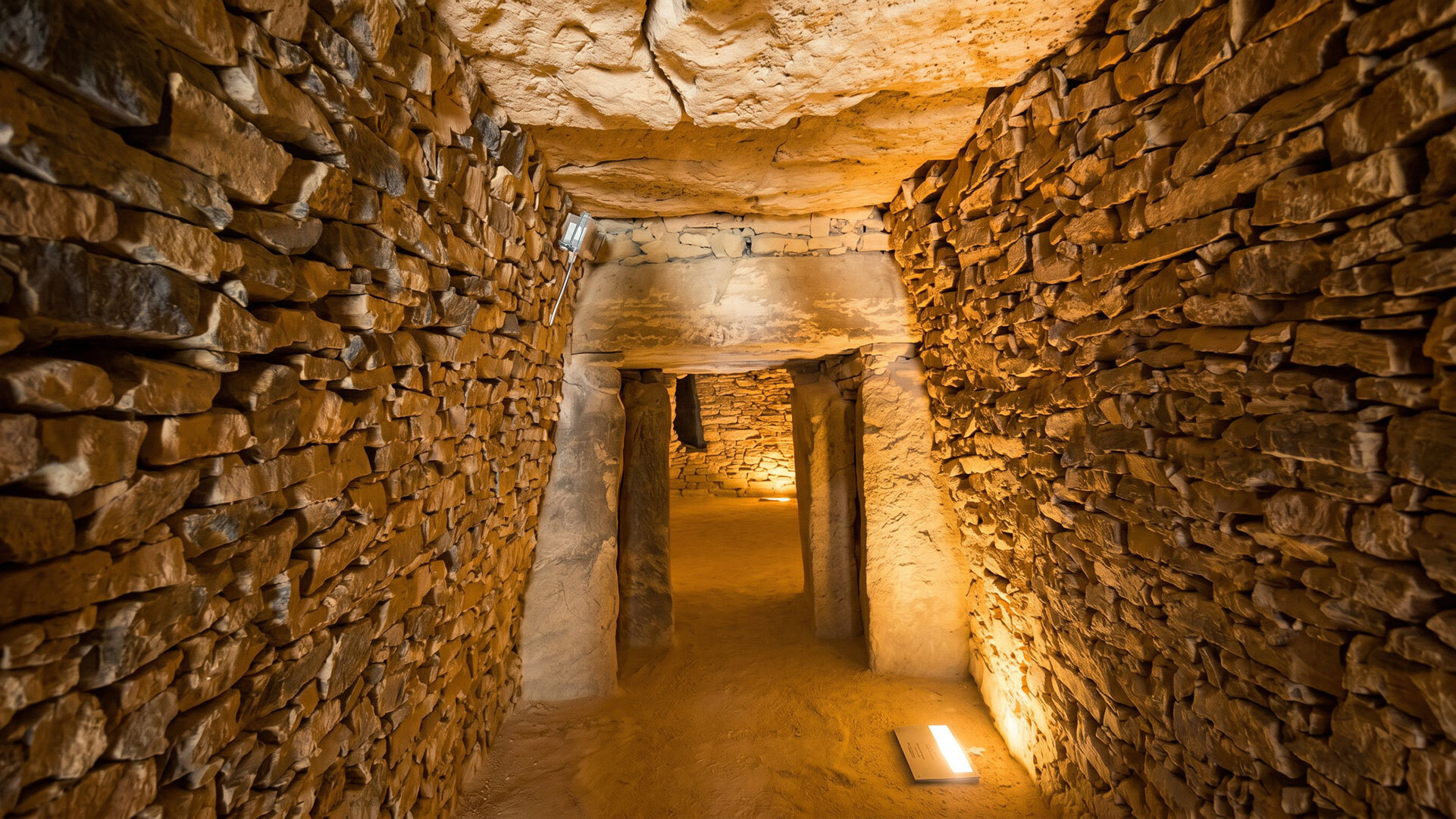
Since 2016, Antequera has officially been a UNESCO World Heritage Site – as the Sitio de los Dólmenes de Antequera, the Antequera Dolmens Site. The World Heritage listing comprises three Neolithic burial chambers (Menga, Viera, El Romeral), the Peña de los Enamorados and the Paraje Natural El Torcal. It is one of the few UNESCO World Heritage Sites worldwide to combine man-made structures and natural landscape into a single concept.
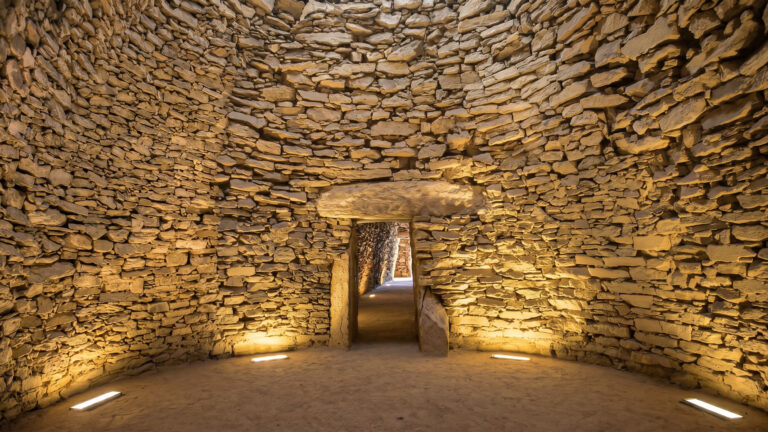
The Dolmen of Menga – at 27.5 metres long, the largest dolmen in Europe – lies less than two kilometres from the town centre. It was built 5,000 years ago and astronomically aligned with the Peña de los Enamorados. At the summer solstice, the morning sun shines directly into the entrance passage. That’s not folklore – it’s precision that still works today.
El Torcal de Antequera: the karst massif as star attraction
14 kilometres to the south – and a different world
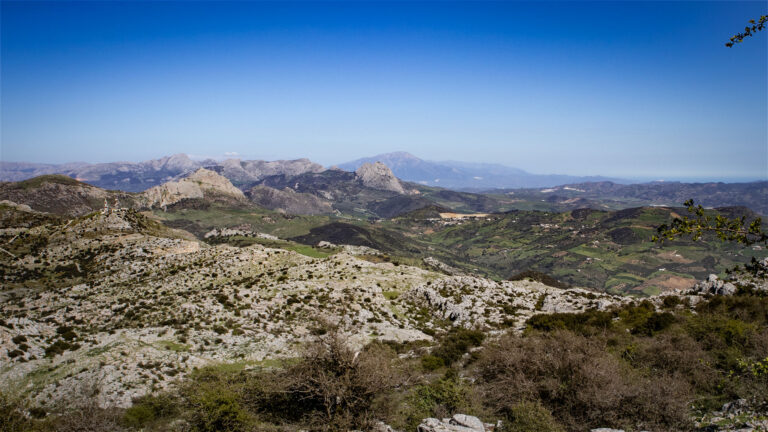
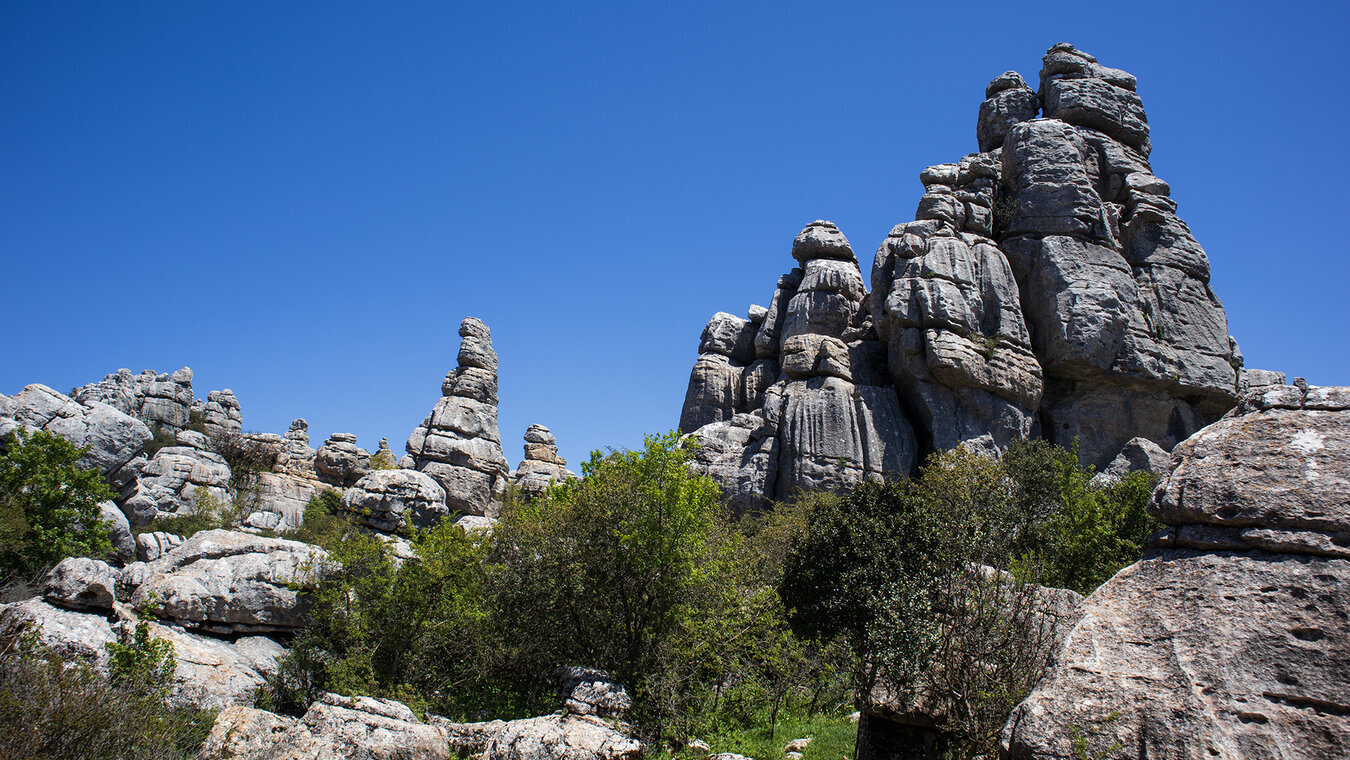
Anyone with Antequera on their itinerary should make time for El Torcal. The karst massif lies 14 kilometres south of the town, around 20 minutes by car, and is the most impressive natural experience between Málaga and Granada – perhaps in the whole of Andalusia. Rock sculptures of Jurassic limestone, shaped over 150 million years, sit on a plateau at 1,200 metres altitude.
The easiest route is the Ruta Verde, at 1.8 kilometres and 45 minutes’ walking time – ideal for anyone not planning a full day’s hike. Those with more time can take the Ruta Amarilla (3.1 km) or the Grand Circuit (8.6 km). Admission is free. Griffon vultures circle above the plateau, and Iberian ibex stand among the rocks. And once you’ve stood among the limestone towers, you understand why this landscape has been part of the UNESCO World Heritage Site since 2016 – as part of the Sitio de los Dólmenes de Antequera.
A tip for combining the two: El Torcal early in the morning, then back to Antequera for the dolmens and the old town in the afternoon. You can manage this in a single day – and you leave the town feeling you’ve seen something that isn’t on any postcard.
Antequera on your road trip: how to fit it in
Antequera on an Andalusia road trip – recommendations
Location: Geographical centre of Andalusia. 50 km from Málaga (50 min), 100 km from Granada (1.5 h), 175 km from Seville (2 h), 100 km from Ronda (1.5 h), 130 km from Córdoba (1.5 h).
Minimum time: Half a day is enough for the dolmens and old town. A full day also allows time for El Torcal. Those with two days can immerse themselves fully in the region.
Málaga–Antequera–Granada combination: One of the loveliest day routes in Andalusia. Dolmens in the morning, the Alcazaba and Colegiata at midday, El Torcal in the afternoon – evening in Granada.
Ronda–Antequera–Málaga combination: Via the A-384 and A-343 – scenically one of the best stretches in the region, with views of the Peña de los Enamorados shortly before Antequera.
Getting there: Trains and buses from Málaga, Granada and Seville. Antequera-Santa Ana station is 20 km from the town centre – a taxi or bus is needed. Antequera is most flexible to reach by car.
Conclusion: Antequera deserves more than a drive-through
Antequera in Andalusia isn’t a box to tick – it’s a discovery. Anyone who sets aside a day gets more history per square kilometre than in many better-known towns. The dolmens, El Torcal, the Alcazaba, the Sky Gate: all reachable on foot or within 20 minutes by car. And hardly any queues.
More on the highlights: El Torcal de Antequera · Dolmen of Menga · Alcazaba de Antequera · All articles in the magazine.
Frequently asked questions about Antequera on an Andalusia road trip
Is a visit to Antequera worthwhile?
How much time should you set aside for Antequera?
What makes Antequera special?
Which route through Andalusia is recommended with Antequera?
This article is based on the on-the-ground knowledge of the Gequo editorial team – publishers of several Reisezeit hiking guides and operators of Sunhikes.com. Last updated: May 2026