Antequera’s culinary heritage: where bread, cream and Polvorón are tradition
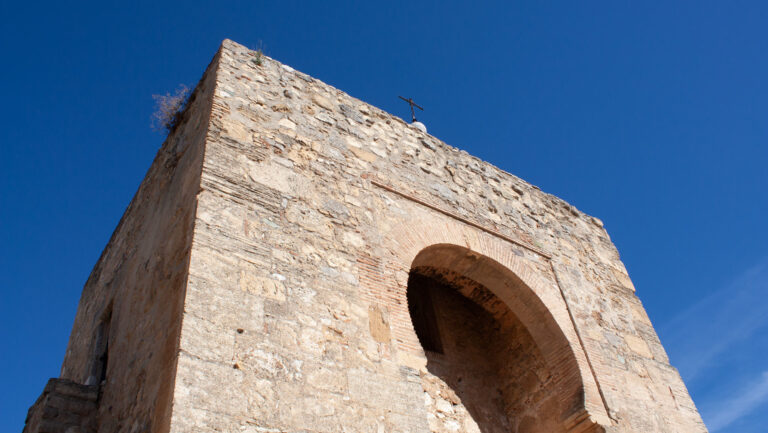
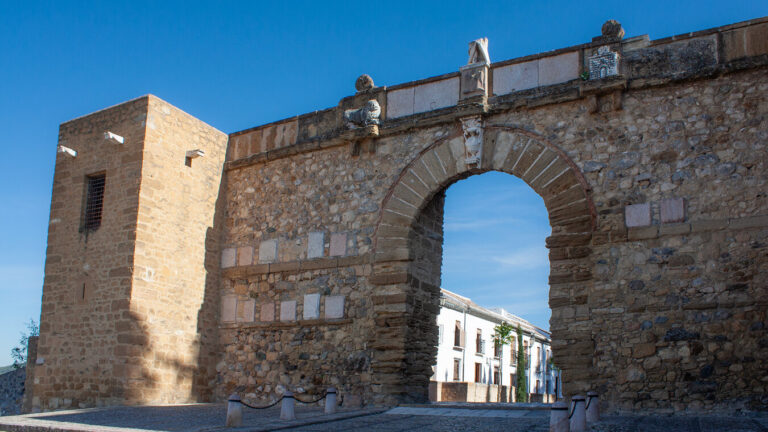
Antequera isn’t just a town of the Alcazaba, the Collegiate Church and the UNESCO dolmens — it’s also a bakery. Three specialities have made the town famous well beyond the borders of Andalusia. One of them has even been legally protected under EU law since 2020.
First, there’s the Mollete de Antequera — a flat, soft wheat roll that’s a must at any Andalusian breakfast and carries the EU’s PGI seal. Second, the Bienmesabe antequerano — a rich sweet made from soaked sponge and almond-and-egg cream, whose recipe has been refined since the 17th century by the nuns of the Convento de Belén. And third, the Polvorones de Antequera — crumbly shortbread that melts in the mouth like fine sand and is part of Christmas across the whole of Spain.
What links the three specialities, where their history begins, and how to make them using genuine Antequera recipes — step by step.
Mollete de Antequera – the protected breakfast bread
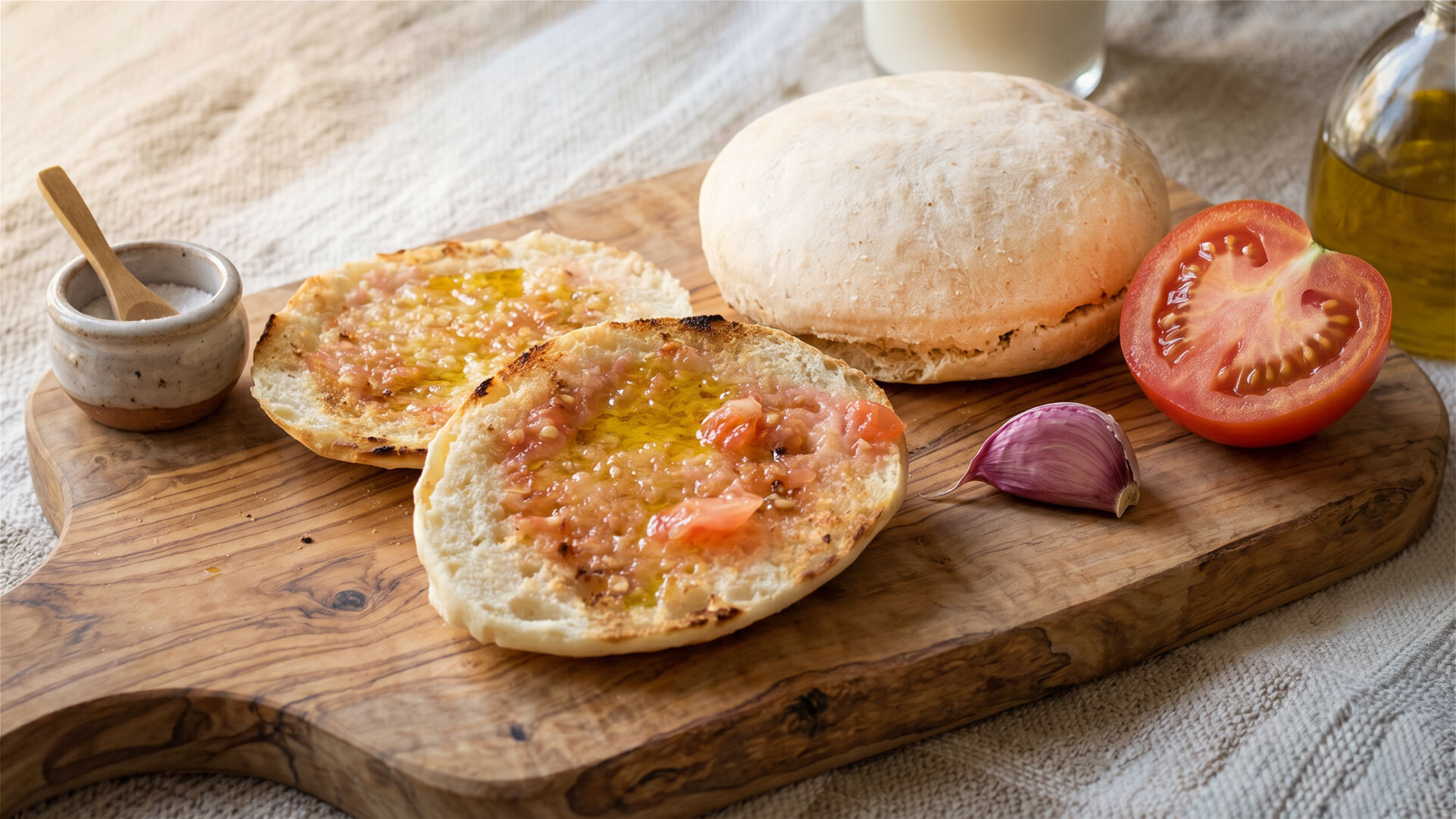
The Mollete de Antequera is one of Spain’s most famous breakfast breads — a traditional, very soft, pale roll with its characteristic, slightly oval, flat shape and an almost white, floured crust.
PGI status since 2020
Since 2020, “Mollete de Antequera” has been legally protected by the EU’s PGI seal (Protected Geographical Indication). Only bakeries in Antequera and its immediate surroundings are allowed to use the name — and only if they follow the traditional rules of the protection association. Anyone wanting to try a genuine Mollete needs to buy it in Antequera or a neighbouring town.
The secret of the Mollete
Two details make the Mollete unmistakable. First, the texture: the dough has a high moisture content and is baked only briefly at a moderate temperature. This keeps the roll extremely soft and moist and stops it developing a dark crust — if you see a Mollete that’s glossy golden-brown, you’re not holding the real thing. Second, the toasting: a Mollete is almost never eaten untoasted. Cut open and briefly grilled or toasted, the outside turns wafer-thin and crisp while the inside stays soft and fluffy.
Desayuno Andaluz – the classic version
If you order a traditional breakfast in Andalusia, there’s no getting around the Mollete. The most common version is called “Mollete con Tomate y Aceite”: slice the bread open and toast it lightly, rub a fresh garlic clove lightly over the warm inner crumb, drizzle generously with the best extra virgin olive oil, and spread freshly grated tomato with a pinch of salt on top.
Other popular versions: Con Jamón, with Serrano or Ibérico ham. Con Manteca colorá — an Andalusian spread made from pork lard, flavoured with paprika and spices. Or a sweet version, with butter and jam or honey. Either way, the Mollete comes warm from the toaster — anything else is a compromise.
Recipe for 6–8 rolls to bake at home
| Ingredients for 6–8 rolls | |
|---|---|
| Wheat flour | 500 g, type 550 or French T65 |
| Lukewarm water | 320 ml |
| Extra virgin olive oil | 50 ml |
| Fresh yeast | 10 g (or 1/2 sachet dried yeast) |
| Salt & sugar | 10 g salt, 1 pinch sugar |
| Flour for dusting | a little extra |
| Method in 4 steps | |
|---|---|
| 1. Yeast & dough | Dissolve the yeast with the sugar in the lukewarm water and leave for 5 minutes. Mix the flour and salt, then add the yeast mixture and olive oil. Knead vigorously for 10 minutes — the dough can stay slightly moist. |
| 2. First rise | Cover and leave to rise somewhere warm for 1 to 1.5 hours, until the volume has doubled. |
| 3. Shaping & second rise | Divide into 6–8 portions and flatten into oval discs (1–2 cm thick). Place on baking paper, dust with flour and leave to rise for 30–45 minutes. |
| 4. Baking | Oven at 200°C, with a bowl of water underneath for steam. Bake for 10 to 12 minutes — they should never turn brown, but stay pale and soft. |
Bienmesabe antequerano – the convent dessert
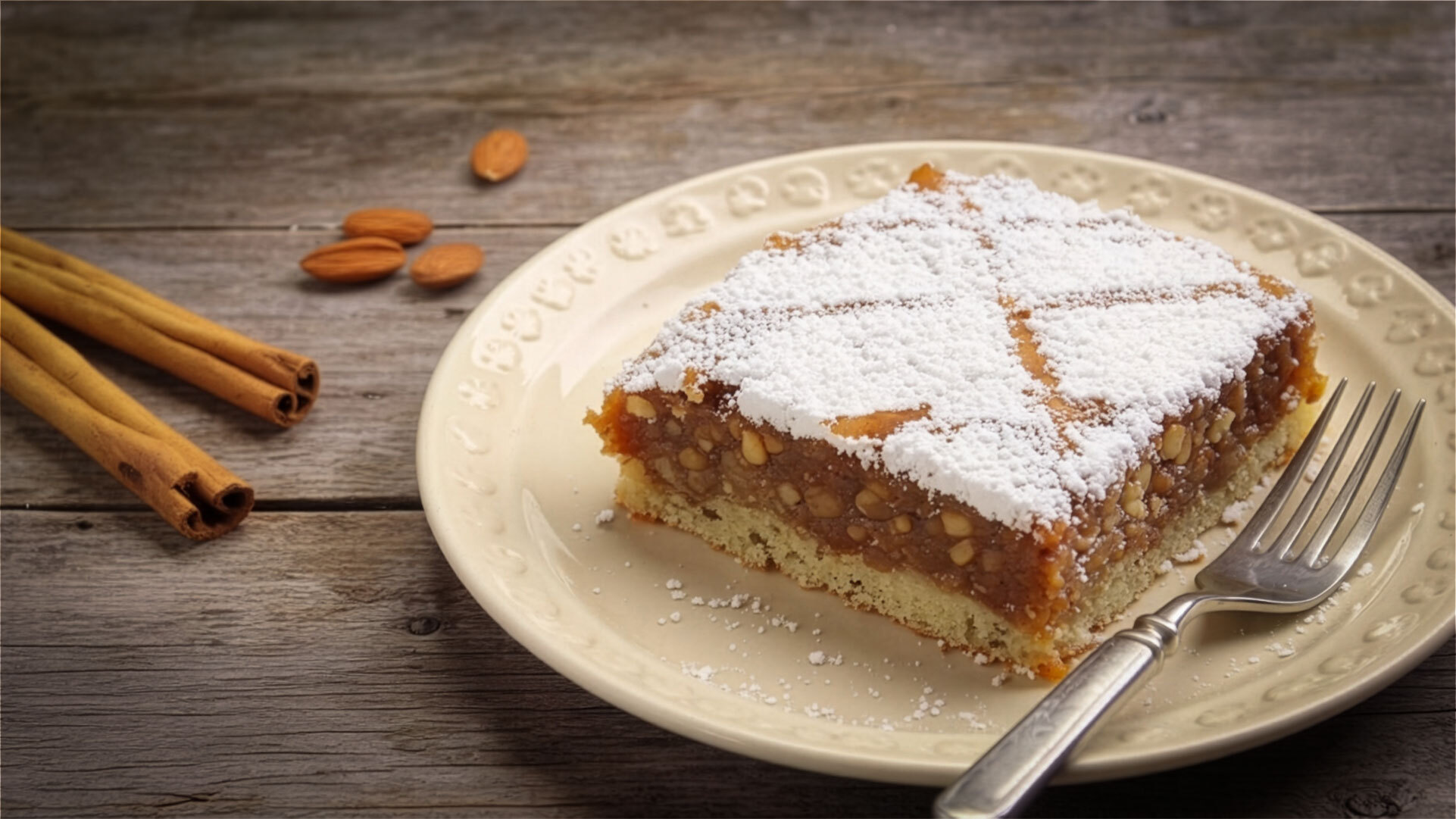
Bienmesabe antequerano is one of the most traditional sweets in Andalusia — and it comes from Antequera. The name literally means “it tastes good to me”, which describes the dessert pretty accurately: rich, substantial, with the unmistakable combination of moist, soaked sponge and creamy almond-and-egg custard.
The history: Arabic roots, Convento de Belén
The roots of Bienmesabe go back to the Arabic period in Andalusia — almonds, sugar, egg yolk and cinnamon are a combination found in many Maghrebi sweets. From the 17th century onwards, the dessert was refined by the nuns of the Convento de Belén in Antequera and became known well beyond the region.
What makes Bienmesabe unique
The structure is always the same: soaked sponge at the bottom, a thick almond-and-egg cream on top, and a pattern of icing sugar and cinnamon on the very top. What sets Bienmesabe apart from similar sweets is the texture of the cream — not as light as a mousse, not as firm as a custard, but that velvety middle ground that gives the egg-yolk-and-almond combination its name.
The traditional recipe, step by step
Quantities for a 20–22 cm diameter dish (6–8 servings). Bienmesabe needs patience: it must chill for at least four hours, ideally overnight.
| Ingredients for the base, syrup and almond cream | |
|---|---|
| Base | Sponge fingers, to line the dish |
| Soaking syrup | 100 ml water, 100 g sugar, a splash of Pedro Ximénez or Málaga wine |
| Almond cream | 250 g ground almonds (not too fine), 250 g sugar, 150 ml water, 6 egg yolks, 1 tsp cinnamon, zest of 1 unwaxed lemon |
| Decoration | Icing sugar and cinnamon, for the diamond pattern |
| Method in 4 stages | |
|---|---|
| 1. Soaking syrup & sponge | Simmer 100 ml water with 100 g sugar for 3–4 minutes. Remove from the heat and stir in the wine. Line the dish with the sponge fingers and soak with the warm syrup. |
| 2. Cream syrup | Simmer 150 ml water with 250 g sugar for 5–7 minutes, until a slightly thick syrup forms. Leave to cool to lukewarm. |
| 3. Almond cream | Whisk the 6 egg yolks. Stir in the ground almonds, lemon zest and cinnamon. Slowly pour in the lukewarm sugar syrup while stirring. Return the mixture to the pan and thicken over very low heat for 5–8 minutes, stirring constantly — do not let it boil, or the egg will curdle. |
| 4. Layering & chilling | Pour the warm cream over the sponge fingers and smooth it out. Leave to cool, then chill for at least 4 hours (ideally overnight). Before serving, decorate with a diamond pattern of icing sugar and cinnamon. |
Tip from Antequera’s pastry shops: a wafer-thin layer of Cabello de ángel — a confection made from pumpkin fibre — between the sponge and the almond cream makes the dessert even richer.
Polvorones de Antequera – when a biscuit crumbles like sand
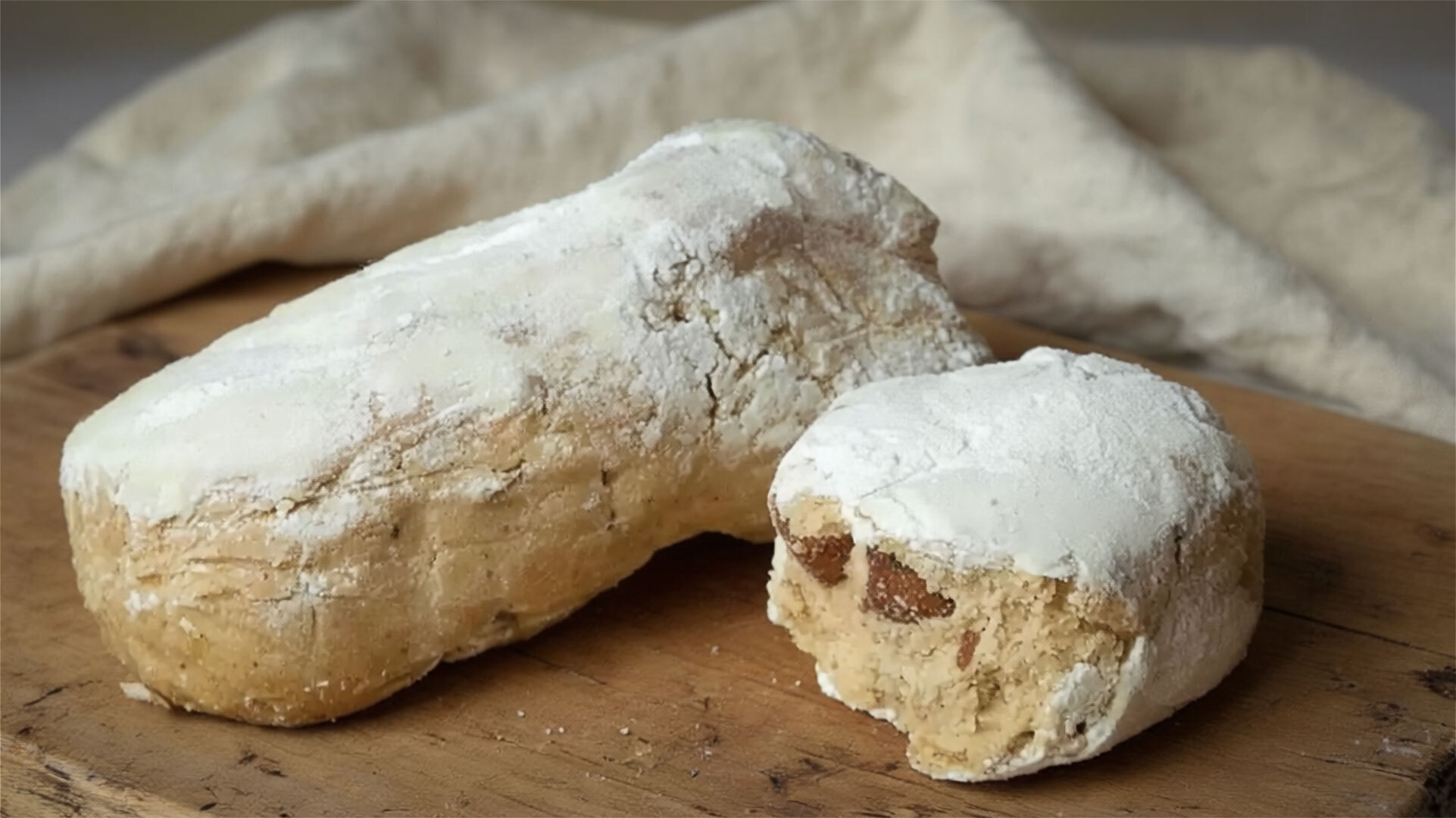
Polvorones de Antequera are another world-famous baked treat from the town — a Christmas classic across Spain, and enjoyed all year round in Antequera itself.
Why they’re called “polvo”
The name derives from “polvo” — Spanish for dust or powder. That describes the texture precisely: a Polvorón is so crumbly that it falls apart in the mouth like fine sand and melts away — the result of careful preparation.
The most important step: toasting the flour and almonds
For the Polvorones to get their typical sandy texture, the moisture first needs to be removed from the ingredients. The flour and ground almonds are dry-toasted at 130°C for 20 to 30 minutes — only until lightly cream-coloured, not brown. This step can be done the day before and is crucial to the result.
The authentic recipe
Quantities for around 15–20 Polvorones.
| Ingredients for 15–20 Polvorones | |
|---|---|
| Flour & almonds (for toasting) | 250 g wheat flour, 50 g finely ground almonds |
| Pork lard | 125 g Manteca de cerdo Ibérico, at room temperature |
| Icing sugar | 100 g (plus extra for dusting) |
| Ground cinnamon | 1 tsp |
| Sesame seeds (Ajonjolí) | 2 tbsp, toasted golden-brown in a pan |
| Method in 4 steps | |
|---|---|
| 1. Toasting | Toast the flour and almonds at 130°C for 20–30 minutes, stirring every 10 minutes, until only lightly cream-coloured. Toast the sesame seeds golden-brown in a dry pan. Leave everything to cool — ideally the day before. |
| 2. Making the dough | Sieve the toasted flour-and-almond mixture. Fold in the icing sugar, cinnamon and sesame seeds. Add the soft lard and quickly knead into a compact, slightly crumbly dough. Chill for 30–60 minutes wrapped in cling film. |
| 3. Cutting out | Roll out between two sheets of baking paper to 1.5–2 cm thick — no thinner. Cut out oval or round Polvorones and transfer to a baking tray with a palette knife. |
| 4. Baking & cooling | Bake at 200°C for 8–10 minutes — they should only take on a little colour. They’re extremely soft straight from the oven, so don’t touch them — let them cool completely on the tray. Only then dust thickly with icing sugar. |
The tissue-paper tradition
The finished Polvorones are traditionally wrapped individually in thin tissue paper (Papel de seda) to stop them crumbling. The trick every Spanish child knows: squeeze it firmly once in your hand before unwrapping it — then the Polvorón won’t fall apart the moment you open the paper.
Tips for all three specialities
Keep the Mollete pale: The most common mistake when baking at home is an oven that’s too hot or baking for too long. 200°C for 10–12 minutes is enough. A browned Mollete is no longer a real Mollete.
Bienmesabe nicht kochen:
Die Mandel-Ei-Creme darf nie kochen, sonst flockt das Eigelb aus. Schwache Hitze und Geduld — 5 bis 8 Minuten ständiges Rühren.
Polvorón-Mehl rösten :
Wer diesen Schritt überspringt, bekommt mürbe Kekse, aber keine Polvorones. Die Feuchtigkeit muss raus, sonst entsteht die typische sandige Konsistenz nicht.
Mandel- und Schmalz-Qualität:
Marcona-Mandeln aus Andalusien für Bienmesabe und Polvorones. Beim Polvorón authentisch nur Manteca de cerdo Ibérico — Butter ergibt eher Kekse als echte Polvorones.
Conclusion – a town straight from the oven
Mollete, Bienmesabe and Polvorón are three very different baked goods — a flat breakfast bread, a rich convent sweet, a crumbly Christmas biscuit. What connects them is the town: over the centuries, Antequera has developed a baking tradition that is now even recognised in EU law through the PGI seal.
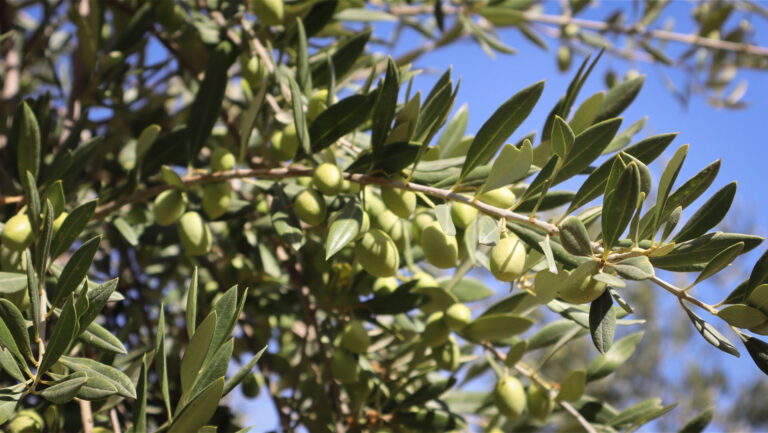
For more on the town’s cold summer speciality: Porra antequerana. On the local olive oil with protected designation of origin: Aceite de Oliva Antequera DOP. More on Antequera in the Magazinee.
Frequently Asked Questions
What does PGI mean for the Mollete de Antequera?
Who invented Bienmesabe?
Why must Mollete and Polvorones never turn brown?
Which almonds are best for Bienmesabe and Polvorones?
What's the difference between Polvorones and Mantecados?
This article is based on the on-the-ground knowledge of the Gequo editorial team – publishers of several Reisezeit hiking guides and operators of Sunhikes.com. As of: May 2026