Day trip to Málaga from Antequera: where the karst plateau descends to the Mediterranean coast
Antequera lies around 50 kilometres north of Málaga, at an altitude of 575 metres, nestled on a plateau between the Sierra Subbética and the Costa del Sol. Anyone spending a week here rarely stays in the town alone – sooner or later, the sea calls. And nowhere is it closer than here: Málaga can be reached by car in 50 minutes, or by the AVE high-speed train in just 26 minutes. A day trip that begins in the morning in the quiet hill town and ends by midday at the harbour of a city of 580,000 inhabitants.
Málaga has reinvented itself over the past 20 years. What was once a rather rough-edged port city has become a cultural centre – anchored by the Picasso Museum, the Centre Pompidou in the new harbour district, the Carmen Thyssen Museum, the revitalised old town and a restaurant scene that is reinterpreting Andalusia. Anyone who invests a day here sees a different world from the El Torcal plateau. Anyone who invests two days comes away with the feeling of having discovered a city that is more than just a place to pass through.
Which mode of transport suits you best, what you can really see in a single day, which route makes sense of the city, and what travellers with children or special interests should bear in mind – the key answers for the Málaga day trip from Antequera in 2026.
Getting there: car, AVE or Cercanías – three routes south
26 to 60 minutes to the Mediterranean coast
Getting from Antequera to Málaga is the simplest day-trip logistics in the province. Three sensible modes of transport, each with its own strength. By car via the A-45, it’s 50 minutes straight to the city centre – the advantage: maximum flexibility for stops along the way and for the return journey. The downside: parking in Málaga is expensive, and city traffic can be sluggish during peak season.
The fastest and most relaxing option is the AVE high-speed train. From Antequera-Santa Ana station (around a 20-minute drive outside the old town), the AVE reaches Málaga María Zambrano in just 26 minutes. Tickets from around 15 euros one way, with several services a day. The station in Málaga is centrally located, and it’s a 15-minute walk to the old town, or a short metro ride.
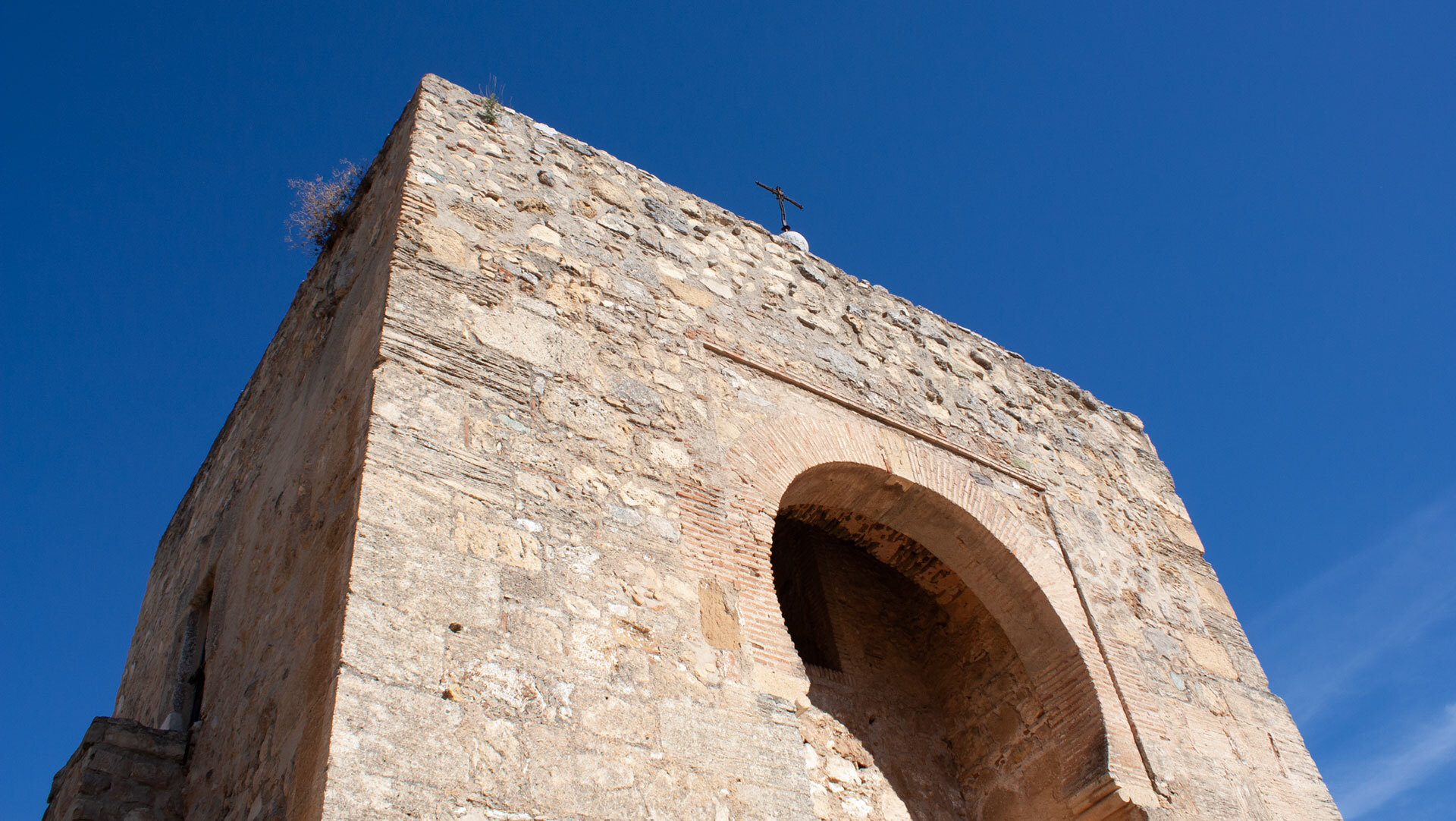
Getting from Antequera to Málaga
| Verkehrsmittel | Fahrzeit | Vorteil |
|---|---|---|
| Car via the A-45 | 50 min | flexibel · Zwischenstopps · Familien mit Gepäck |
| AVE (Hochgeschwindigkeit) | 26 min | schnellster und bequemster Weg · zentral |
| Cercanías-Vorortzug | 45–55 min | günstig (5–8 €) · ab Bobadilla mit Umstieg |
| Bus (ALSA) | 60–75 min | günstig (7–10 €) · stündliche Verbindungen |
| Taxi | 45–60 min | approx. 70–85 € flat rate · for groups |
Anyone leaving the car at the hotel should choose the AVE. Antequera-Santa Ana station has a large free car park, the ride is calm, and you arrive feeling relaxed. For families with young children or travellers with reduced mobility, the AVE is usually the right choice – no stress, no hunting for a parking space, and no tiredness behind the wheel on the way back.
Itinerary: what’s really achievable in a day
The must-see stops for a six-hour city visit
Arriving at 10am and heading back at 6pm leaves around six to seven hours for the city itself – including lunch. That’s enough for three to four main sights if the routes are chosen wisely. Cram in more and you’ll be rushing; do less and you’ll be bored. The following sequence works starting from María Zambrano station and ends back at the station – a day’s itinerary that reveals the most important layers of the city.
| 10:00 – 11:30 | Alcazaba and Gibralfaro hill – Moorish fortress above the harbour, glorious views |
|---|---|
| 11:30 – 12:30 | Roman Theatre at the foot of the Alcazaba – free entry, a quick visit |
| 12:30 – 14:00 | Picasso Museum – the city’s most famous son, admission around 12 € |
| 14:00 – 15:30 | Lunch in the old town – pescaíto frito, espetos or tapas |
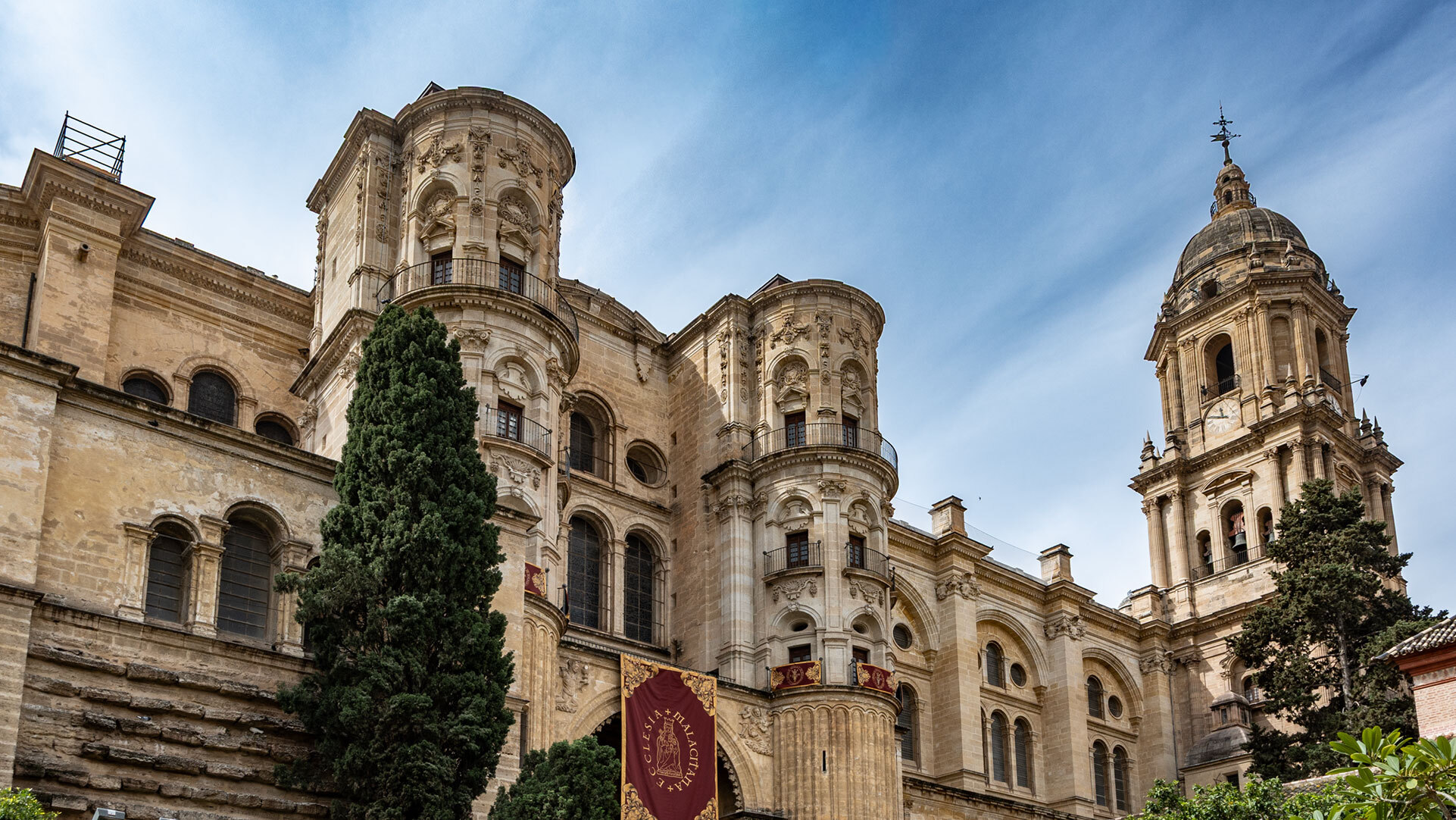
| 15:30 – 16:30 | Catedral de la Encarnación – die „Einarmige” wegen unvollendetem Nordturm |
| 16:30 – 17:30 | Muelle Uno harbour promenade – Centre Pompidou, waterside cafés, shopping street |
| 17:30 – 18:00 | Walk back to María Zambrano station – via Calle Larios |
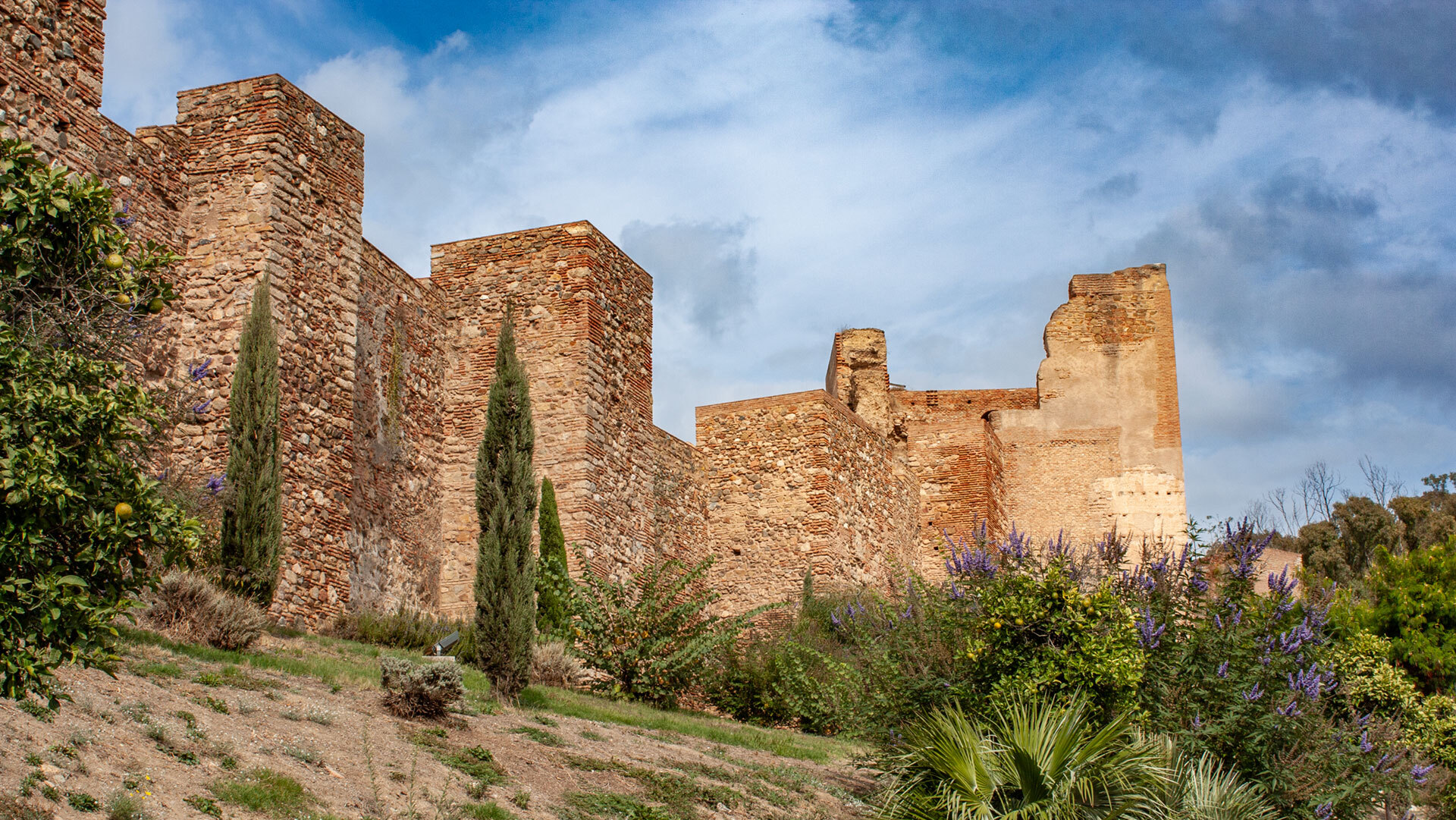
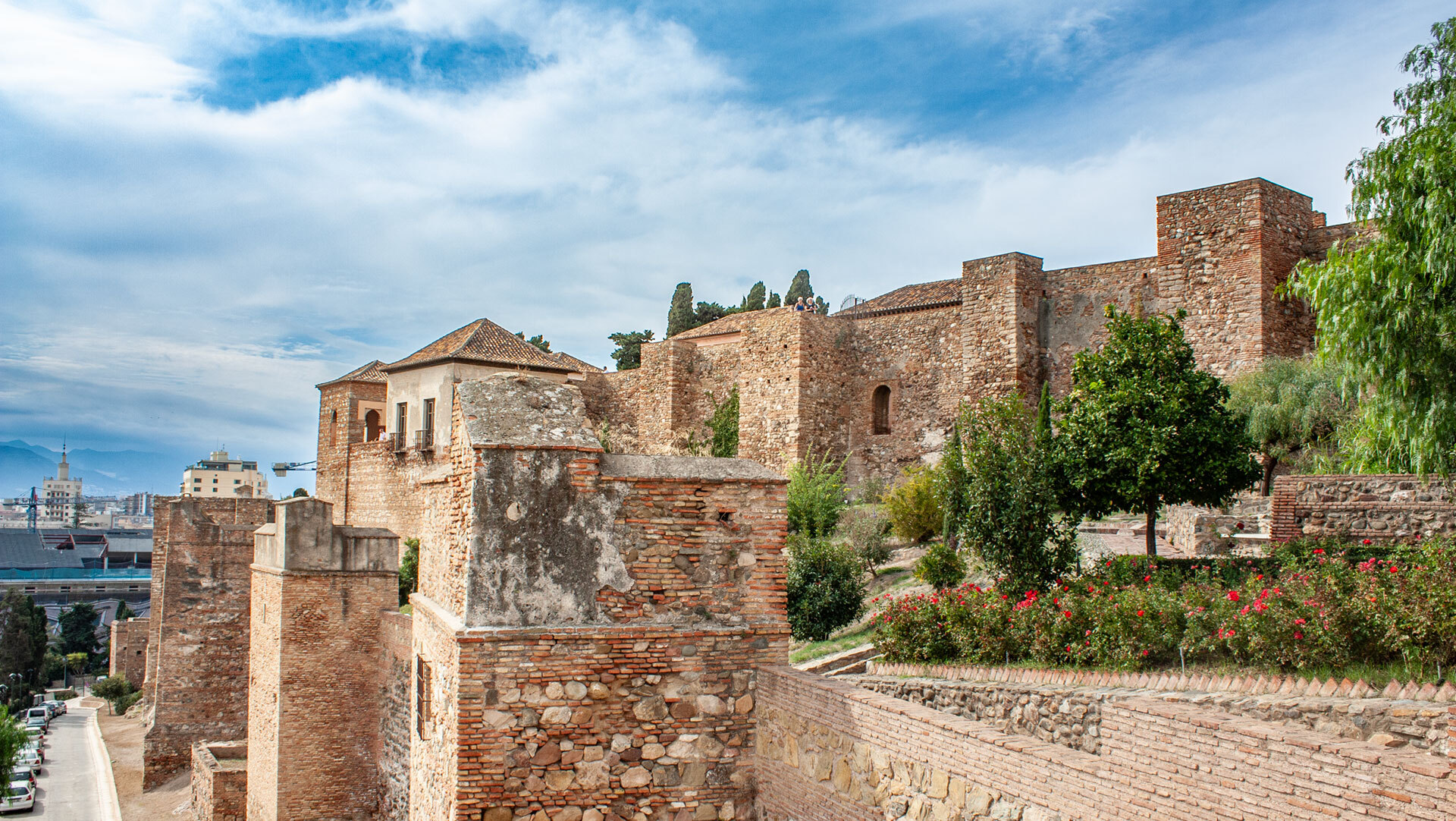
The climb up to the Alcazaba and the Castillo de Gibralfaro above it is strenuous, but worthwhile in the morning while it’s still cool. The 11th-century Moorish fortress is one of the best-preserved of its kind in Spain. From the Gibralfaro – for those who make the climb – you get the best views over the harbour, the La Malagueta bullring, and the Mediterranean. Anyone who doesn’t want to walk up can take city bus 35 from the centre.
The Picasso Museum belongs in every Málaga day – even for travellers who don’t normally rush to museums. It displays around 200 works from every phase of his career, donated by the family. The hour is well spent. The nearby birthplace on Plaza de la Merced is a smaller affair and only of interest to real Picasso enthusiasts.
Beach, harbour and the other Málaga: what’s worth it with more time
Options for return visitors and those staying longer
Anyone who has already been to Málaga, or who is planning two days, can break away from the standard route. The city has more to offer than the Alcazaba and Picasso – some of its finest layers only reveal themselves when there’s less packed into the day.
| Stadtstrand La Malagueta | right next to the harbour, free, wide promenade · good for an hour’s break |
|---|---|
| Centre Pompidou Málaga | der bunte Glaswürfel im Hafenviertel · Wechselausstellungen aus Paris |
| Museum Carmen Thyssen | spanische Malerei des 19. Jahrhunderts · oft übersehen, aber sehenswert |
| Soho-Viertel | das Künstler-Viertel mit Wandmalereien und unkonventionellen Bars |
| Botanischer Garten La Concepción | 30 minutes to the north-west · a half-day trip for plant enthusiasts |
| Espetos in El Palo | Sardinen am Holzspieß am Strand – die echte Málaga-Küche |
Travellers with children should rebalance the itinerary in favour of the beach and the harbour. The Alcazaba is tiring with small children, and the Picasso Museum demands an adult’s concentration. Instead: an hour at the city beach, an ice cream on the promenade, a stroll along the Muelle Uno with its boats, fountains and a huge sphere by the light artist Daniel Buren. That works for all ages.
For anyone interested in architecture, the new harbour district is the most exciting layer. Muelle Uno opened in 2011, and Muelle Dos shortly afterwards – a classic industrial harbour transformed into a waterfront city comparable to Marseille, Barcelona or Hamburg. The Centre Pompidou Málaga – the first outpost of the Paris original – opened in 2015 and is an experience from the outside alone.
AVE practical tip
The Madrid–Málaga high-speed line makes Antequera-Santa Ana a convenient connecting point. Even travellers coming from Madrid can change here and use Antequera as a ‘calm haven’ in an otherwise packed tour of Andalusia.
Tickets from Antequera-Santa Ana to Málaga are cheapest when booked 1–2 weeks in advance, via the Renfe app or renfe.com. The first service leaves around 7:30am, the last around 10pm.
Conclusion: the simplest city trip in the region
Málaga from Antequera is the least complicated city trip you can make from here. No other major city is closer, quicker to reach or more straightforward logistically. Anyone spending a week in Antequera should set aside a firm day for Málaga – ideally in the middle of the trip, when you’ve come to appreciate the calm of the plateau and the contrast with the port city is at its strongest. One final piece of advice: don’t overload the day. Three good stops with time to linger beat seven must-see points at a forced march. Málaga rewards travellers who let themselves drift – a coffee in the old town, a long lunch, a walk along the harbour without a map. That’s not less itinerary, it’s more city.
More on the region: Antequera itself as a base: Antequera Spain. Getting to the provincial capital from a European perspective – airport, AVE, car: Getting to El Torcal. Combining the day with the Caminito del Rey: Caminito del Rey from Antequera. Best time to visit the region: Best time to visit El Torcal & Antequera.
Frequently asked questions about the day trip to Málaga
What's the fastest way to get from Antequera to Málaga?
Is the AVE worth it for such a short distance?
Where can you park cheaply in Málaga?
Which restaurant is worth visiting in Málaga for lunch?
Can the day be combined with the Caminito del Rey?
This article is based on the on-the-ground knowledge of the Gequo editorial team – publishers of several hiking guides and operators of Sunhikes.com. Last updated: May 2026