Antequera DOP Olive Oil: Where Hojiblanca Trees Have Grown Since Roman Times
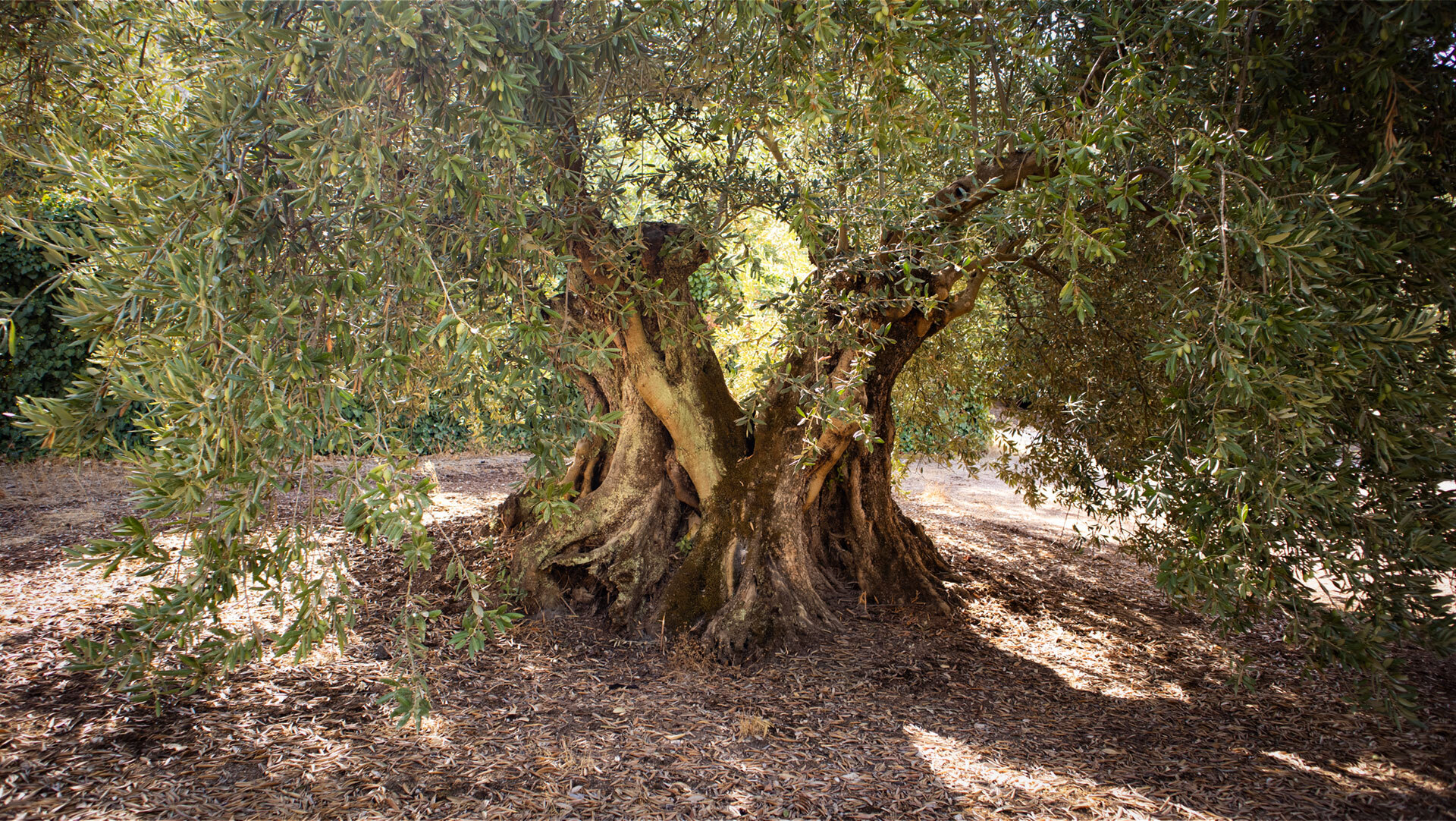
Drive out of Antequera in any direction and you’ll see the same thing: silvery-green olive groves, row after row, stretching to the horizon. The plateau around the town – the Depresión de Antequera, a basin between the Subbética and Penibéticas ranges – is one of Spain’s oldest and most important olive-growing regions. Over 90 per cent of the trees belong to a single variety: the Hojiblanca, whose name refers to the whitish underside of its leaves and which may even have originated in this region. Since 2005, the oil produced here has carried the European designation of origin Denominación de Origen Protegida “Antequera” – DOP Antequera for short.
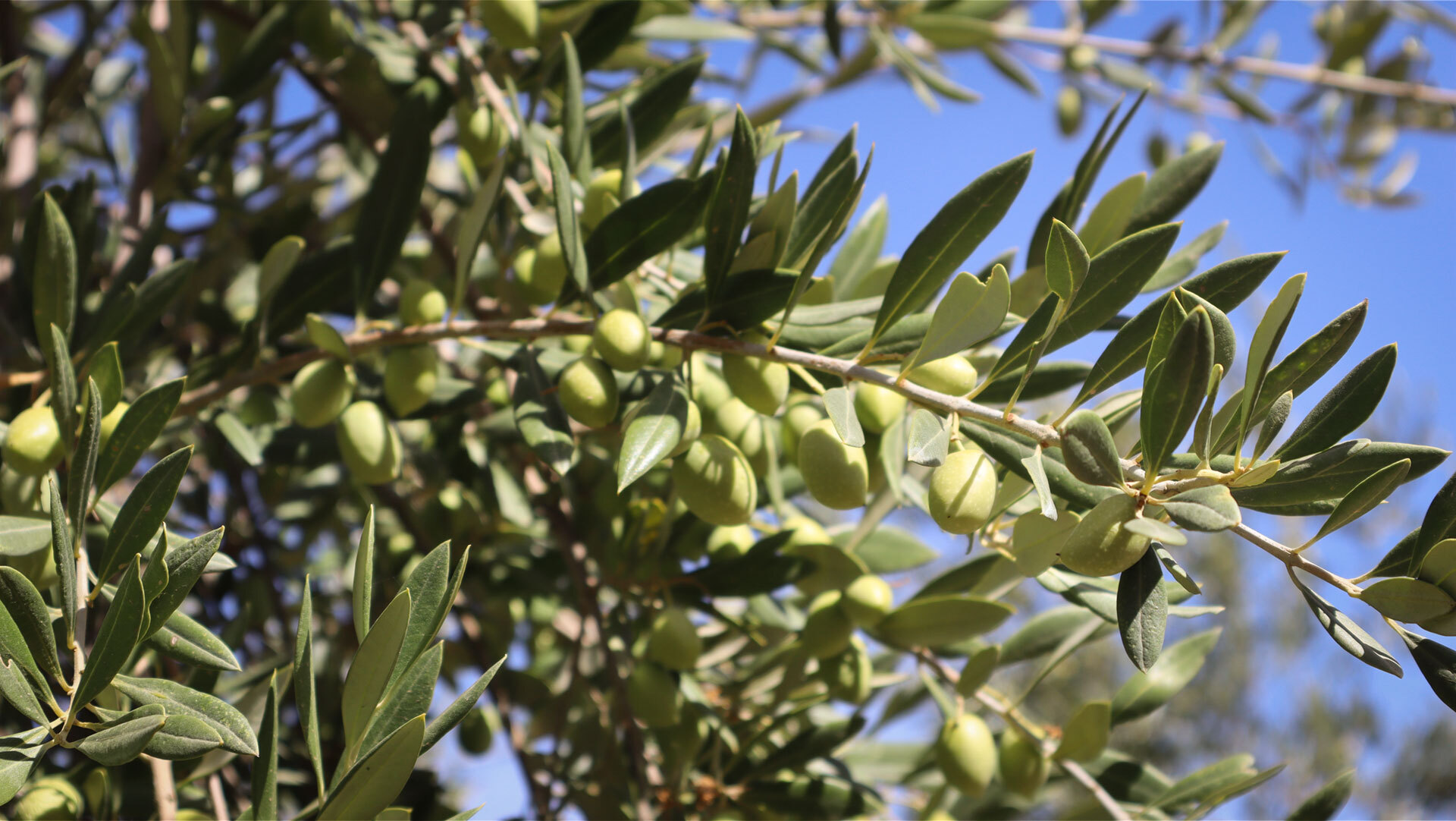
What sets Antequera DOP apart from other Andalusian olive oils is an unusual combination: a dominant variety, a clearly defined growing region with high-carbonate soils, and a climate with continental traits – cold, dry winters that delay the ripening of the Hojiblanca olives. The result is a virgen extra oil with green fruitiness, notes of almond and banana, a light bitterness, and an acidity below 0.3 – far under the legal minimum requirements.
What DOP means in technical terms, which varieties are permitted, where the Hojiblanca tradition comes from, and where travellers can taste and buy the oil in Antequera itself – the key answers for anyone who wants to take home more than just a bottle from the supermarket.
DOP Antequera: What the Designation of Origin Guarantees
The EU Seal, Hojiblanca and the Permitted Secondary Varieties
The Denominación de Origen Protegida “Antequera” was entered into the European quality register as a protected designation of origin in 2005. It works on the same principle as Champagne or Parmigiano Reggiano: only oil that is produced in a clearly defined area, made from approved varieties, and meets set quality criteria may bear the name. Control is carried out by the Consejo Regulador in Antequera itself. Every bottle carries a numbered label from the Consejo Regulador – the guarantee of authenticity.
| Olive type | Exclusively virgen extra (the highest quality grade) |
|---|---|
| Main variety | Hojiblanca – over 90% of the growing area |
| Permitted secondary varieties | Picual (Marteño), Arbequina, Lechín de Sevilla (Zorzaleño), Gordal de Archidona, Picudo, Verdial de Vélez-Málaga, Verdial de Huévar |
| Acidity | below 0.3% – well under the EU limit of 0.8% |
| Peroxide value | below 10 (an indicator of freshness) |
| UV absorption | below 0.18 |
| Growing area | 18 municipalities in the province of Málaga plus Palenciana (Córdoba) |
| Pressing | only within the growing region – separating the region from production is not permitted |
The Hojiblanca olive and its smaller sister variety, Gordal de Archidona, are considered local varieties – they originated in this region. Research by the University of Córdoba has documented, using fossilised olive stones found in the remains of Roman mills, that Hojiblanca was already being grown in Antequera around 2,000 years ago – making it one of Spain’s oldest cultivated olive varieties. The permitted secondary varieties may be blended in but together make up less than 10 per cent.
The growing area covers 18 municipalities in the province of Málaga – from Alameda through Antequera to Villanueva de Tapia – plus Palenciana (province of Córdoba). Growing altitude is 450–600 metres, with soils containing 20–70% carbonates. Over 90 per cent of the olive groves are not artificially irrigated: the Mio-Pliocene red clay soils retain moisture so well that the trees thrive on natural rainfall alone.
Flavour: What Sets an Antequera DOP Oil Apart on the Palate
Green Fruitiness, Almond, Banana – the Organoleptic Signature
Anyone trying an Antequera DOP oil for the first time should take their time. A tablespoon in the mouth, gently warmed, spread slowly across the tongue, then breathed out through the nose – this is how the aromas come through best. The first impression is the green fruitiness: the aroma of a still slightly unripe olive, freshly cut grass, young almond. In the background, a note of banana, sometimes apple or tomato leaf.
| Fruitiness | medium to high – median ≥4 on the tasting panel scale |
|---|---|
| Primary aromas | green olive, freshly cut grass |
| Secondary aromas | almond, banana, sometimes apple or tomato leaf |
| Bitterness | light to medium – no overpowering bite |
| Pungency | light to medium – a gentle tingle in the throat |
| Stability | high – thanks to its tocopherol (vitamin E) content |
| Colour | golden yellow with a greenish sheen – the earlier the harvest, the greener the colour |
Bitterness and pungency are not flaws but marks of quality: they show that the oil is rich in polyphenolic antioxidants – the substances to which the Mediterranean diet owes much of its health benefits. Antequera DOP oil belongs to the group of especially polyphenol-rich oils, an effect reinforced by the low winter temperatures: here, Hojiblanca ripens later than in warmer growing regions, which increases its oleic acid content and gives the oil its stability. Antequera oils are therefore considered particularly good keepers.
In the kitchen, Antequera DOP is suited to almost any use, but two stand out: raw, drizzled over tomato salads, grilled vegetables or bread with salt – this is where the oil shows off its aromatic complexity. And in the region’s traditional cuisine, above all in the cold tomato soup Porra antequerana, where the oil carries the flavour of the dish. It works perfectly well at higher temperatures too – but using high-quality DOP oil for deep-frying wastes some of its quality.
History: From Roman Presses to the DOP Seal
How the Antequera Olive Oil Market Developed Over Two Millennia
The Antequera region was already an important centre of olive oil production in Roman times. Archaeological surveys have documented almost 50 so-called villae olearias – rural oil mills with presses and millstones of the kind described by Pliny and Columella in the 1st century. These mills were part of a trading network that carried olive oil from Andalusia all the way to Rome – a large share of the amphora finds at Monte Testaccio in Rome originate from the Guadalquivir basin, whose eastern edge is Antequera.
| 1st–3rd century AD | Roman villae olearias with mills of the kind described by Pliny |
|---|---|
| 8th–15th century | Moorish period – irrigation and oil trade with North Africa |
| 1410 | Reconquista – Christian olive farming continues |
| 1870s | Engineer Beltrán de Lis sets up a machine-building workshop in Antequera |
| Late 19th century | Antequera mill machinery is sold throughout southern Spain |
| 1920 | Province of Málaga has 44,000 hectares of olive groves – a threefold increase in 30 years |
| 2005 | EU registration of DOP Antequera |
| 2018 | EU updates the DOP specification |
A special role was played by Beltrán de Lis, an engineer from Valencia who settled in Antequera in the 1870s and founded a workshop for oil mill machinery there. His successors – the Luna, Alcaide, Herrera and Rodas families – supplied countless almazaras across southern Spain. To this day, historic presses can be found stamped “Antequera” – evidence that the town was not just a growing region but also an industrial centre of the Spanish olive oil industry in the late 19th century.
Today there are around 20 certified oil mills in the DOP area that bring their oil to market under the Antequera seal. The larger number of olive groves do not produce for the DOP – instead they supply Spanish industry or the Cooperativa Hojiblanca, one of Europe’s largest oil cooperatives, also based in Antequera. A list of DOP producers can be found at doantequera.org – some offer tours, tastings and direct sales.
In Practice: Where Travellers Can Get DOP Oil in Antequera
Direct purchase from the mill is possible at several oil mills in the region – with tours and tastings. A list of certified producers can be found at doantequera.org.
In Antequera’s old town, delicatessens around the Plaza de San Sebastián and Calle Encarnación stock DOP oils.
At the weekly market (Mercadillo de los Sábados), smaller producers sell directly – tasting before buying is common practice.
Take care at the supermarket: not every “olive oil from Antequera” is DOP. Look for the numbered label from the Consejo Regulador.
Conclusion: An Oil That Sums Up the Region in a Bottle.
Antequera DOP olive oil is more than a culinary product: it is the liquid form of a landscape, a history and a culture. Anyone travelling across the plateau between El Torcal and the Sierra Subbética will see Hojiblanca trees everywhere – and anyone having lunch here will be served the oil with every starter. Plan at least one tasting at a certified almazara to get a sense of the range between producers. One final recommendation: if you’re only taking home one bottle, choose a young oil from the current season – the harvest begins in November, and by April/May the oil is fully matured, the perfect time to buy. A 500 ml bottle costs between 8 and 15 euros when bought directly – remarkable value for the quality.
More about the region: Antequera itself as a destination: Antequera Spanien. The cold tomato soup in which the oil is the main ingredient: Porra antequerana. Sweet and savoury specialities from Antequera: Bienmesabe & Mollete. Old town restaurants serving DOP oil: Tavernen & Restaurants Antequeras.
Frequently Asked Questions About Antequera Olive Oil
What exactly is DOP Antequera?
What distinguishes Hojiblanca oil from other Spanish varieties?
Which almazaras (oil mills) can you visit?
How much does a bottle of DOP Antequera oil cost?
This article is based on the on-the-ground knowledge of the Gequo editorial team – publishers of several Reisezeit hiking guides and operators of Sunhikes.com. Last updated: May 2026.