Termas Romanas in Antequera: Where Antikaria Bathed
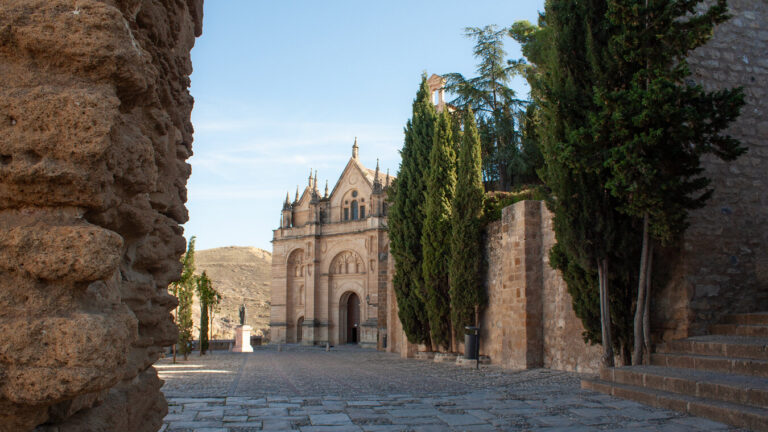
Below the collegiate church Real Colegiata Santa María la Mayor, on the slope of the fortress plateau, lie the excavated remains of a Roman bathing complex from the 1st century AD. The Termas Romanas de Santa María are one of the most important archaeological sites in Antequera — and the first incontrovertible structural proof that ancient Antikaria lay directly beneath today’s town centre.
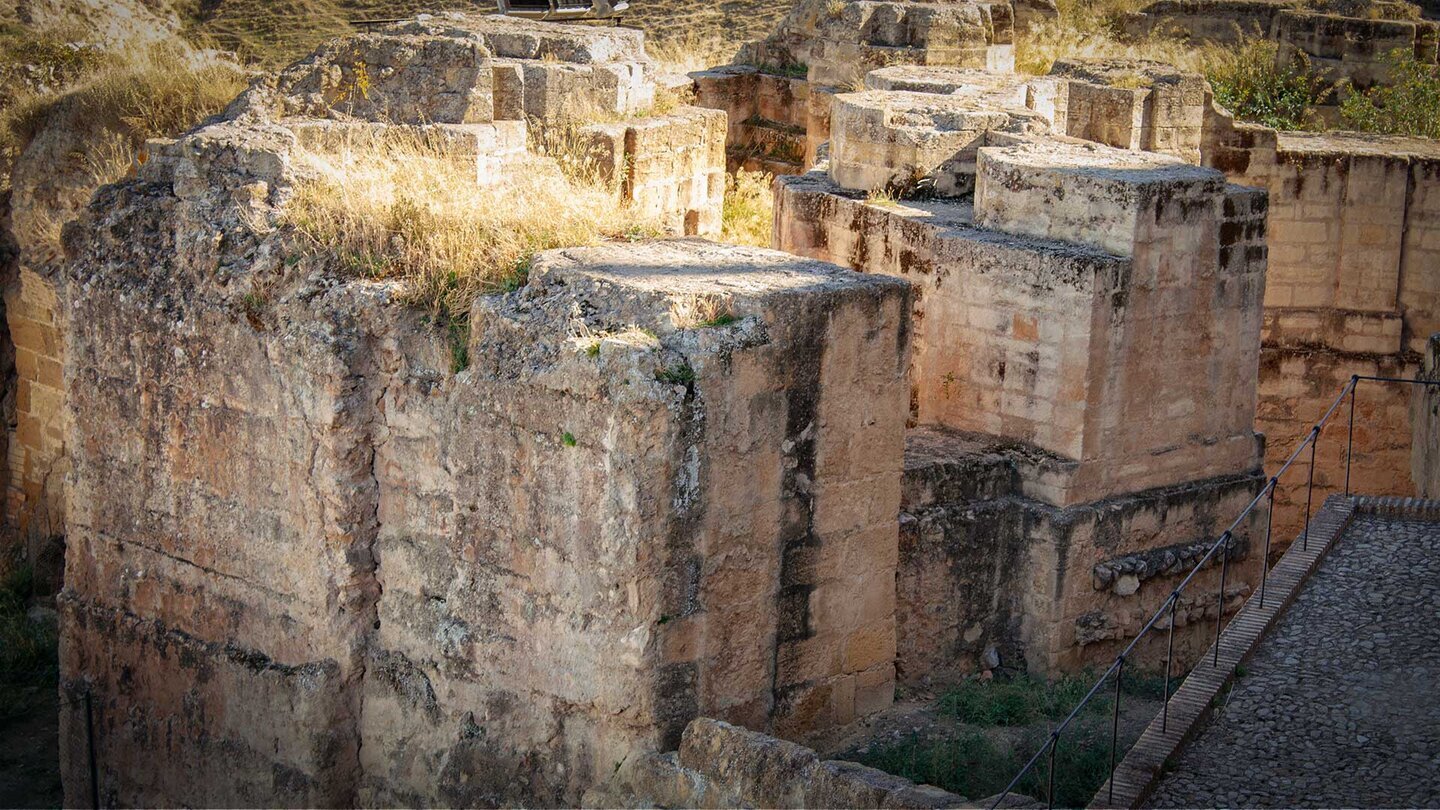
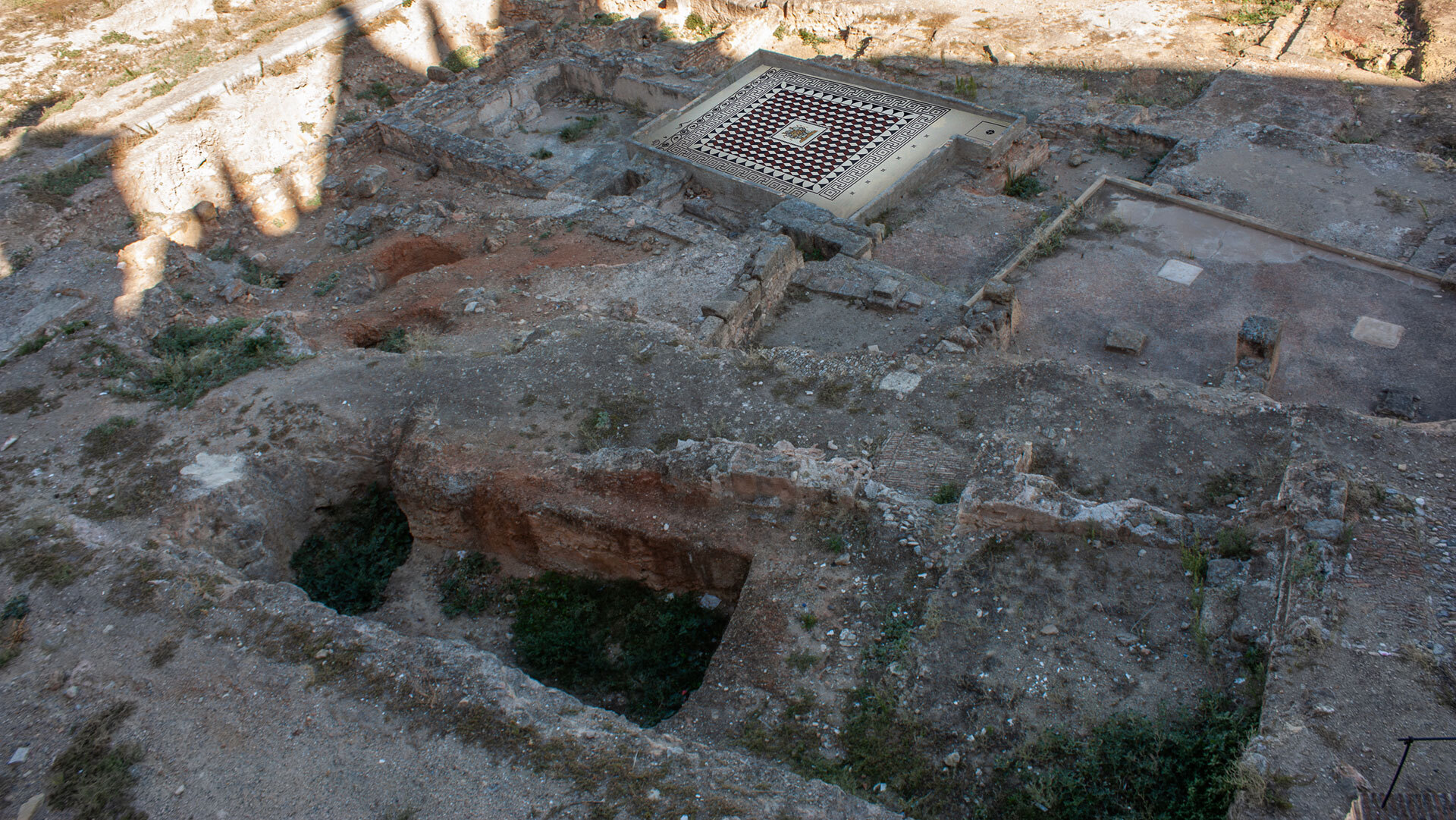
Until 1988, Roman Antikaria was known chiefly from written sources. What lay beneath the ground remained a matter of speculation. Then earthworks began for an urban renewal project — and struck walls, pools and heating systems belonging to an extensive public bathhouse. The subsequent excavations lasted until 1991 and uncovered a complex spanning several rooms, with a large cold-water pool at its centre, heated warm and hot areas to the north — and a polychrome floor mosaic depicting the sea god Oceanus.
How the complex worked, when it was used, and what can still be seen of it today — step by step through a Roman town that lay buried for two millennia.
A Chance Discovery in the Summer of 1988
Until the late 1980s, Antikaria was a name known only from Roman sources. It was considered likely that the ancient town lay beneath modern-day Antequera — but direct structural evidence was largely missing. That changed abruptly in the summer of 1988, when earthworks began at the foot of the fortress hill for a municipal modernisation project.
What the Diggers Uncovered
What initially looked like a routine job turned into an archaeological sensation after the first test digs: the earthworks exposed walls, pools and heating systems belonging to a large Roman bathhouse. The complex had been built to last — large stone blocks sealed with hydraulic mortar capable of holding water for centuries. It was the first incontrovertible structural proof of the ancient town beneath Antequera.
Three Years of Excavation Until 1991
Construction work was halted and the site was designated a protected archaeological zone. From 1988 to 1991, archaeologists uncovered the entire bathing complex, documented the findings and conserved the structures. The result today is an open-air monument in the heart of the old town — nestled between rows of medieval houses and the Real Colegiata.
Dating and History of Use
The Termas were no short-lived complex. They were used for over four centuries, repeatedly extended and renovated — making them among the longest-serving pieces of infrastructure in Roman Antikaria.
Built Around the Middle of the 1st Century
The oldest sections date from the middle of the 1st century AD. This corresponds exactly to the heyday of the early Roman imperial period in Hispania Baetica — the same era from which the Ephebus of Antequera also dates. At the time, Antikaria was a prosperous provincial hub with well-developed infrastructure: transport routes, villas in the surrounding countryside, public buildings, and, of course, baths for the everyday life of the urban population.
Renovation in the 3rd Century
In the 3rd century, large parts of the complex underwent extensive renovation — evidence that, even after 200 years, it was still central enough to daily life to justify the investment. It is likely that the large polychrome floor mosaic depicting the sea god Oceanus, today the highlight of the site, also dates from this phase.
In Use Until the 5th Century, Built Over in the 15th
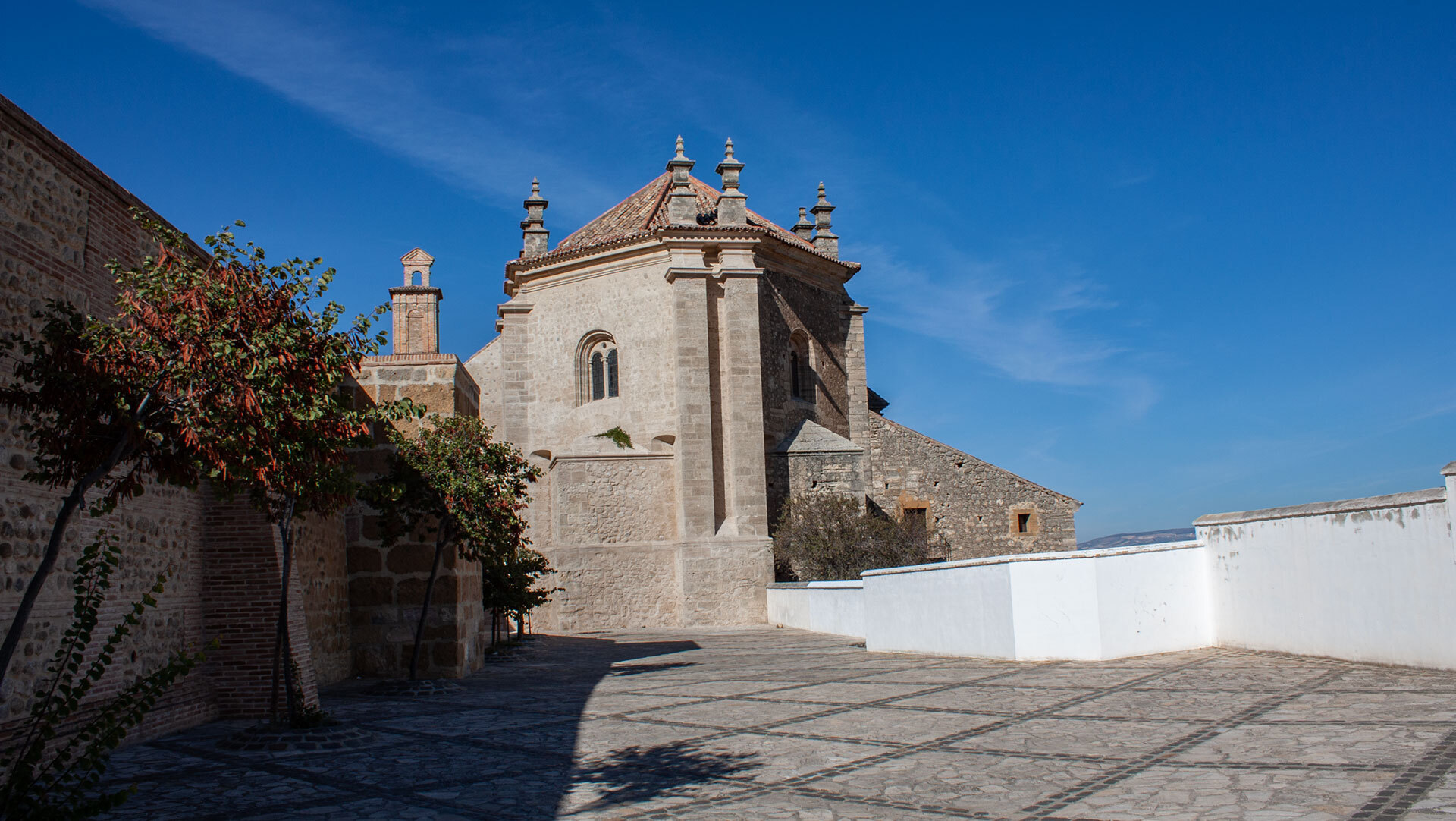
The Termas remained in operation until the 5th century — that is, into the late Roman period, when the Western Roman Empire was already disintegrating. The complex then fell into decay. It was only after the Reconquista of 1410 and the subsequent Christian resettlement that the site was built over with residential housing in the 15th century. Remnants of this medieval building work — walls, paved streets, house floors — are still visible on the site today, directly above the Roman structures.
Architecture and Layout
The excavated complex shows the classic room layout of Roman baths. Its design follows a principle found throughout the Roman Empire — from Hadrian’s Wall to North Africa: from the cold pool to the warm and on to the hot, and then back again.
Frigidarium and Natatio
At the centre of the complex lies a large cold-water pool — the Natatio. Traces of stone benches are still visible on the walls, which in Roman times were clad in fine marble. This is traditionally where the bathing sequence ended: after the hot-bath sequence in the southern wing, bathers cooled off in the Frigidarium and refreshed themselves in the Natatio. The cold-water pool was usually the largest and most impressive pool in any bathhouse — and this is clearly recognisable in Antequera too.
Tepidarium and Caldarium
The rooms for the tepid bath (Tepidarium) and the hot bath (Caldarium) are located in the northern part of the complex. Here, the remains of the underfloor heating system — the hypocaust — are clearly visible: small brick pillars that once supported the floor and allowed hot air to circulate beneath the rooms. Also preserved are the collectors — the drainage channels that carried used water away from the pools.
The Hypocaust: Roman Underfloor Heating
The hypocaust was the technical heart of every Roman bathhouse. In front of the Caldarium stood the Praefurnium, a hearth in which slaves burned wood. Hot air flowed through the cavity beneath the floor paving, which was supported by small brick pillars (suspensurae). Clay pipes set into the walls (tubuli) also carried heat up into the rooms. The result: floors that could become so hot that wooden sandals were needed to walk on them — and water temperatures that were every bit a match for a modern sauna.
The Oceanus Mosaic
The absolute highlight of the complex is a large polychrome floor mosaic, thought to date from the 3rd-century renovation phase. The central medallion depicts the sea god Oceanus — easily recognisable by his beard and the characteristic crab or lobster claws protruding from his head. This is an iconography found in many Roman bathhouses: water, sea gods, maritime scenes.
The main motif is surrounded by further maritime imagery: a dolphin carries Neptune’s trident through the composition, alongside other sea creatures and geometric borders. Polychrome means the composition is made up of many different coloured stones — tesserae. Mosaics like this were produced in specialised workshops and then installed on site; they were expensive and demonstrated the status of the establishment. The fact that Antikaria could afford a mosaic of this size says more about the town’s economic significance than many a written source.
More Than Hygiene — the Social Role of the Baths
Roman baths were not merely bathhouses. They were the central everyday meeting place of a Roman town — comparable to a mix of swimming pool, café, business club and gym. Here people looked after their health, did business, talked, got married, and argued. Anyone counted among the free citizens of Antikaria would visit the baths daily, or at least several times a week. Admission was often free or purely symbolic — funded by wealthy citizens as a social contribution to the town.
The size of the complex in Antequera suggests it was designed for a substantial population. Antikaria was no major city like Corduba — but it was prosperous enough to afford a complete bathing system, including an elaborate mosaic floor. What the Termas offer today is more than an inventory of stone: they are a cross-section of everyday life in a Roman provincial town.
Tips for Your Visit
Combine with the Alcazaba and Colegiata
All three sights lie on the same hill, just minutes apart. Half a day is enough to cover Antequera’s main highlights.
Seek the View from Above
The Oceanus mosaic looks its best from the viewing platform at the Arco de los Gigantes — from there you can take in the whole composition, which is harder to do at ground level.
Morning Light for Photos
The mosaic shows to best effect in the morning light between 10am and midday. Late in the afternoon, the Colegiata casts a long shadow over the site.
Combine with the Ephebus
Anyone wanting to fully understand Roman Antikaria should combine a visit to the Termas with the Museo de la Ciudad — home to the Ephebus of Antequera from the same era.
Look Out for the Vertical Layers
Remains of medieval building work survive above the Roman structures — walls and paved streets from the 15th century. If you look closely, you can see two layers of the town at once.
Conclusion – A Town Beneath the Town
The Termas Romanas in Antequera are more than an archaeological site. They are the point at which ancient Antikaria becomes visible again — not behind glass, but as architecture you can walk through: pools, heating systems, mosaics, all still exactly where they were built two thousand years ago. Four centuries of use, a renovation in the 3rd century, building over in the 15th century — and a stroke of chance that brought it all back to light in 1988.
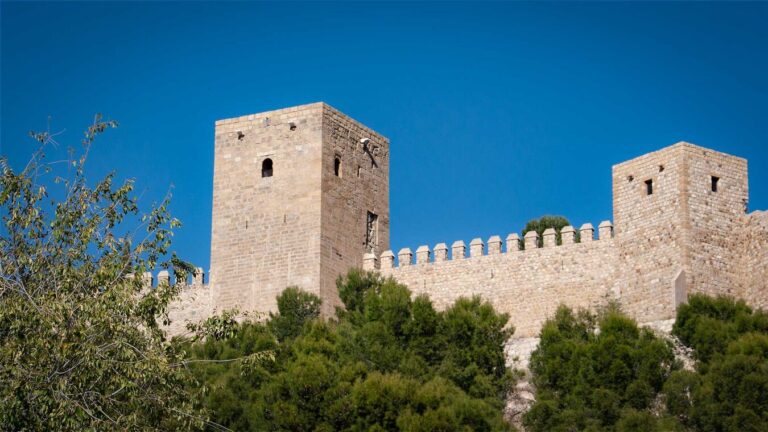
More on the sculpture from the same era: Ephebus of Antequera. On the Renaissance church directly above: Real Colegiata Santa María la Mayor. On the Moorish fortress on the same hill: Alcazaba of Antequera. More on Antequera in the Magazinee.
Frequently Asked Questions
What is a Roman frigidarium?
When were the Termas Romanas built?
Are the Termas Romanas freely accessible?
What is the hypocaust?
What does the Oceanus mosaic depict?
This article is based on the on-the-ground knowledge of the Gequo editorial team – publisher of several Reisezeit hiking guides and operator of Sunhikes.com. Last updated: May 2026